Choosing a pair of boots is probably the most personal decision you'll make as a hiker. We've all had that "break-in" period from hell or a sole that gave up the ghost halfway through a trip. To save you the headache, we dug into the latest 2026 models — comparing specs, materials, and the patterns in owner feedback from everyone logging miles on slick roots and high-alpine scree.
What We Actually Look For
We aren't just reading spec sheets. We're looking for: out-of-the-box comfort (nobody has time for six weeks of break-in), ankle stability for when you're tired and clumsy, wet-rock traction, long-term durability, and waterproofing that actually keeps the bog out.
Our Top Picks
Best Overall: Salomon X Ultra 5 GTX
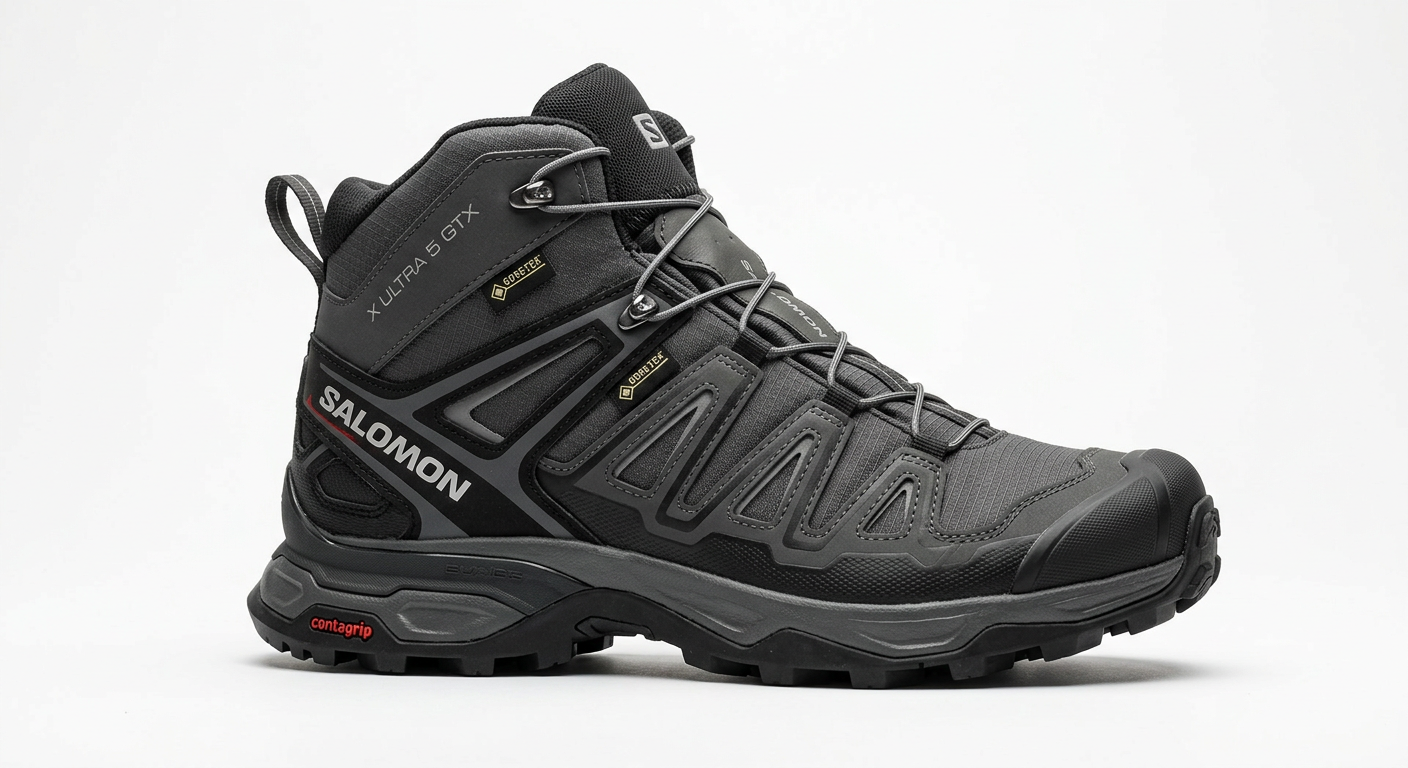
If you want one boot that does it all, this is it. The Salomon X Ultra 5 GTX feels more like a burly sneaker than a heavy boot. It's got that "locked-in" feel thanks to their chassis tech, and the GORE-TEX is reliable as ever. Owners report taking these on everything from quick sunset laps to 30-mile weekends without a single "hot spot."
Price: Mid-range — check retailer for current pricing | Weight: 1 lb 12 oz (pair) | Available at: REI, Backcountry
Best for Backpacking: Merrell MQM 3 Mid GTX
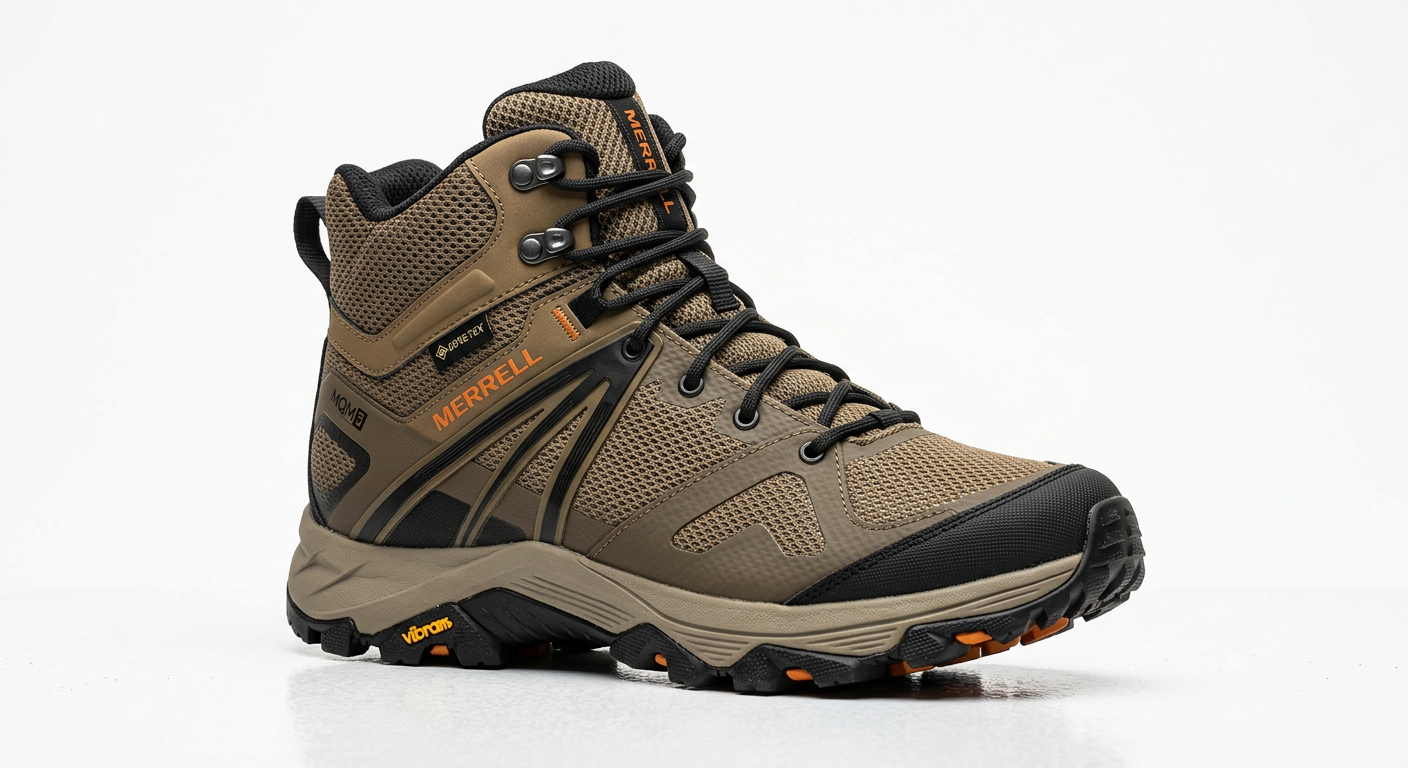
The "MQM" stands for Moving Quickly in the Mountains, and it lives up to the name. These are for when you're carrying a heavier pack but don't want to feel like you're wearing lead weights. The Vibram outsole is super sticky, the kind of grip that buys real confidence on the technical stuff.
Price: Mid-range — check retailer for current pricing | Weight: 2 lb 2 oz (pair) | Available at: Merrell, REI
Best Lightweight: Arc'teryx Aerios FL 2 Mid GTX
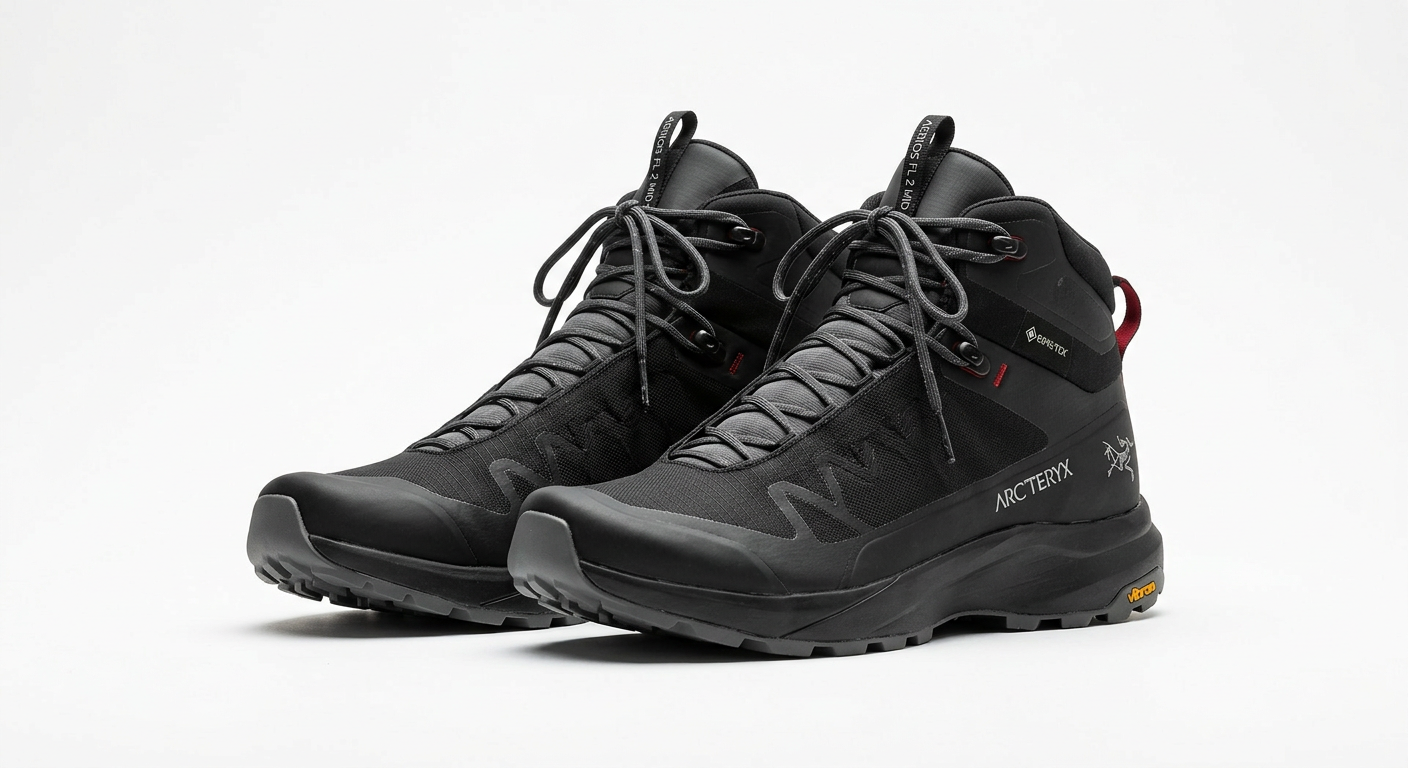
These are essentially trail runners with an ankle collar. If you're a "fast and light" person, you'll love these. They're incredibly light, breathable, and honestly, they look pretty slick too. Just know they aren't meant for hauling a 50lb pack.
Price: Premium — check retailer for current pricing | Weight: 1 lb 6 oz (pair) | Available at: Arc'teryx
Best Budget: Columbia Newton Ridge Plus II
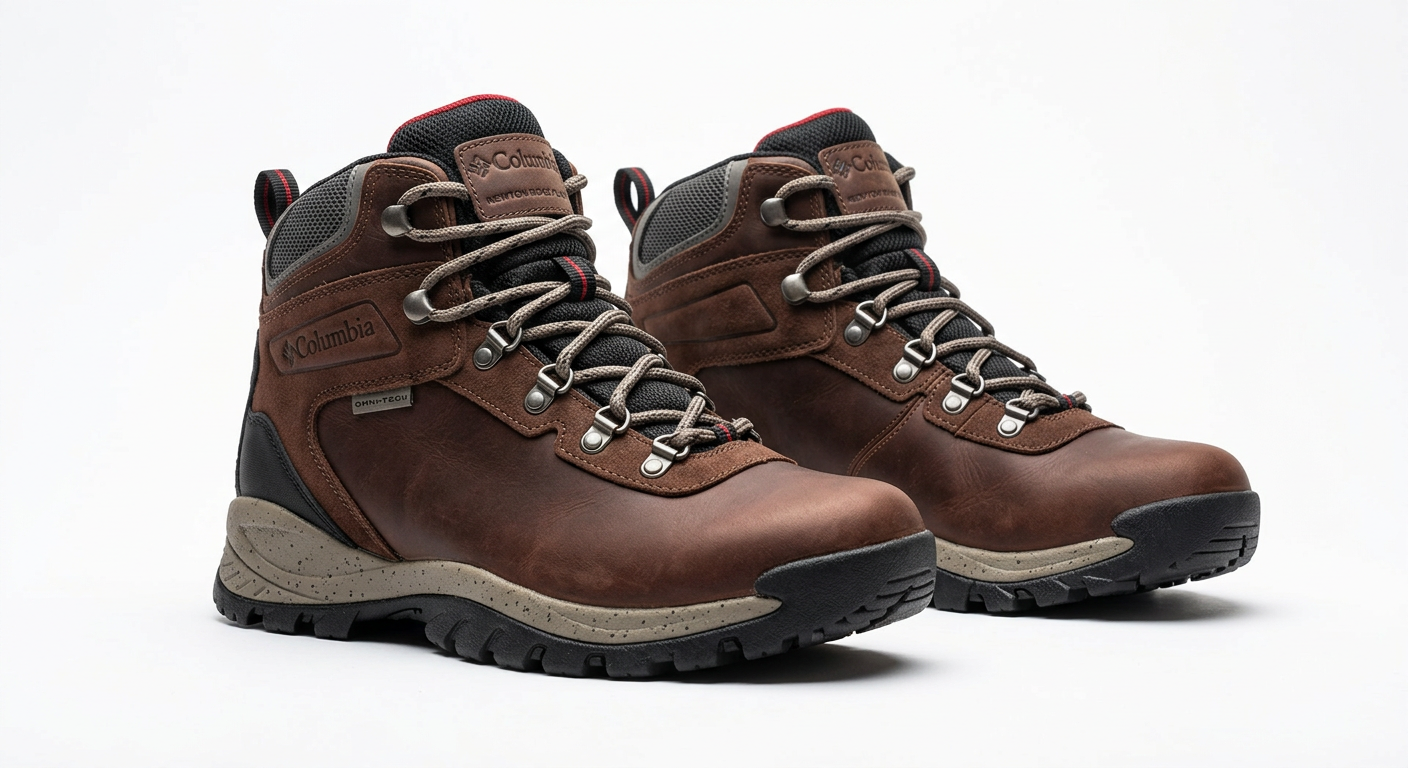
You don't need to drop premium money to get outside. The Newton Ridge is a classic for a reason. It's leather, it's waterproof, and it's comfy right away. It might not be the most technical boot on the list, but for most day hikes, it's all the boot you really need.
Price: Budget — check retailer for current pricing | Weight: 2 lb 4 oz (pair) | Available at: Columbia
Best for Wide Feet: KEEN Targhee IV Mid WP
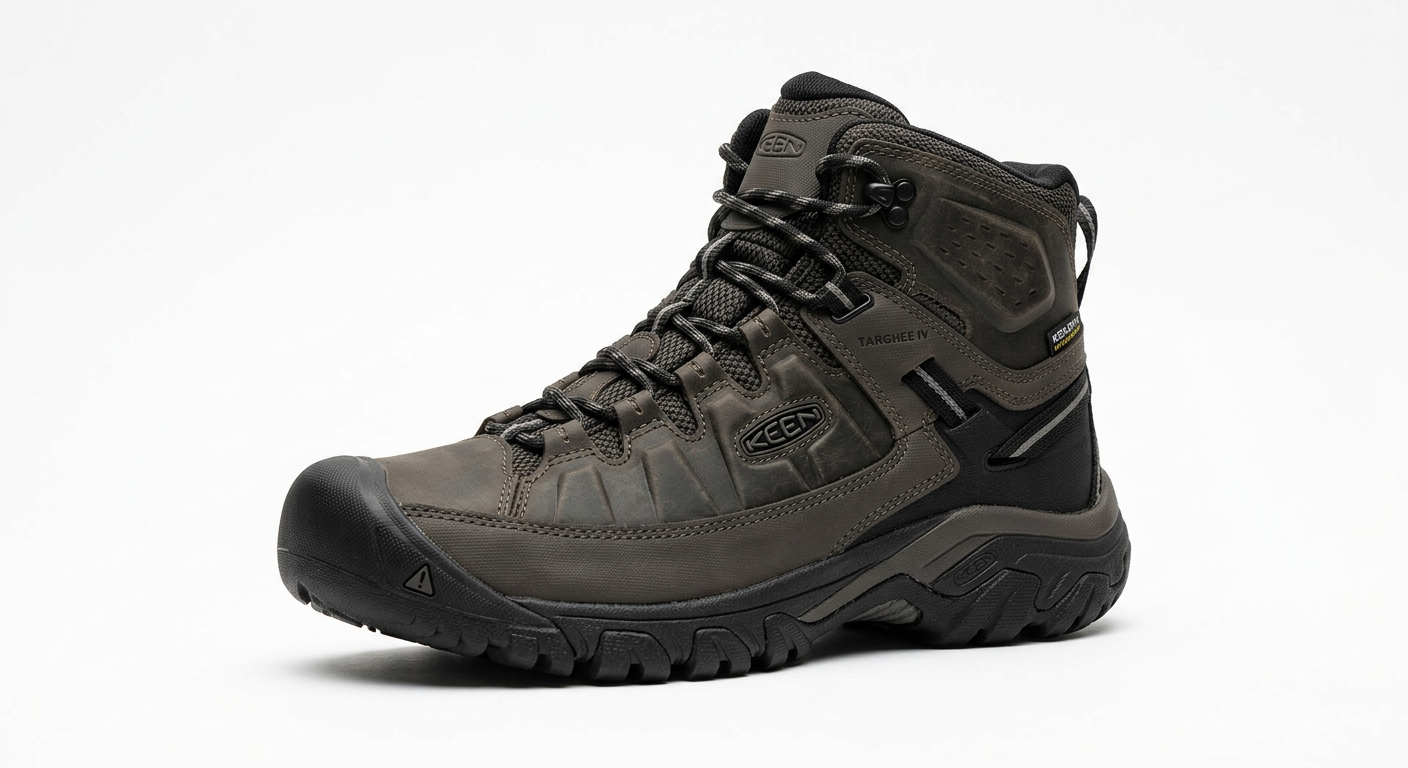
If you feel like most boots are "toe-crushers," go with KEEN. Their signature wide toe box lets your feet splay out naturally, which is a lifesaver when your feet start to swell after 10 miles. The Targhee IV is as rugged as ever.
Price: Mid-range — check retailer for current pricing | Weight: 2 lb 6 oz (pair) | Available at: KEEN, REI
A Few Tips for the Perfect Fit
- Know your terrain: If you're mostly on flat, groomed trails, go lighter. If you're scramble-climbing rocks, you want that extra stiffness.
- The "Afternoon Rule": Shop for boots in the afternoon. Your feet swell throughout the day (and on the trail), so you want to make sure they still fit when your feet are at their biggest.
- Socks matter: Bring the actual wool socks you plan to hike in. Don't try on boots in thin cotton gym socks.
- The Incline Test: Most gear shops have a little wooden ramp. Walk down it. If your toes hit the front of the boot, they're too small.