Every outdoor person has the story: a favorite pair of sunglasses sinking in a slow, mocking spiral into forty feet of alpine snowmelt, leaving them squinting at 10,400 feet across a sheet of water so bright it hurts to look at, doing the math on how many pairs they've fed to lakes, rivers, and boat ramps over the years. The answer is always embarrassing. The lesson is this guide.
Sunglasses are the most underrated piece of gear you own. Your eyes take a beating outside — UV at altitude is dramatically stronger than at sea level, water and snow bounce it right back up under your hat brim, and a long day of squinting leaves you with a headache you'll blame on dehydration. Good sunglasses fix all of that. Great sunglasses make you forget you're wearing them. We compared this season's pairs on optics, fit, durability, and owner feedback — from boat-ramp glass to ridgeline shields — and these are the ones that earn a permanent spot in the gear bin.

What We Actually Look For
Spec sheets for sunglasses are full of marketing fog, so here's what we actually pay attention to: optical quality (does the world look crisp or slightly smeared at the edges?), glare control (polarization, and how well it's executed), fit and grip (do they stay put when you're sweating downhill?), coverage (light leaking in around the edges is real at altitude and on water), and durability — because sunglasses live a hard life in chest pockets and center consoles.
One thing we don't rank: UV protection. Every legitimate pair on this list — and honestly, nearly every pair sold in the US, including the $15 gas station specials — blocks 100% of UVA/UVB. More on that later, because it changes how you should think about price.
Our Top Picks
Best All-Around: Smith Lowdown 2
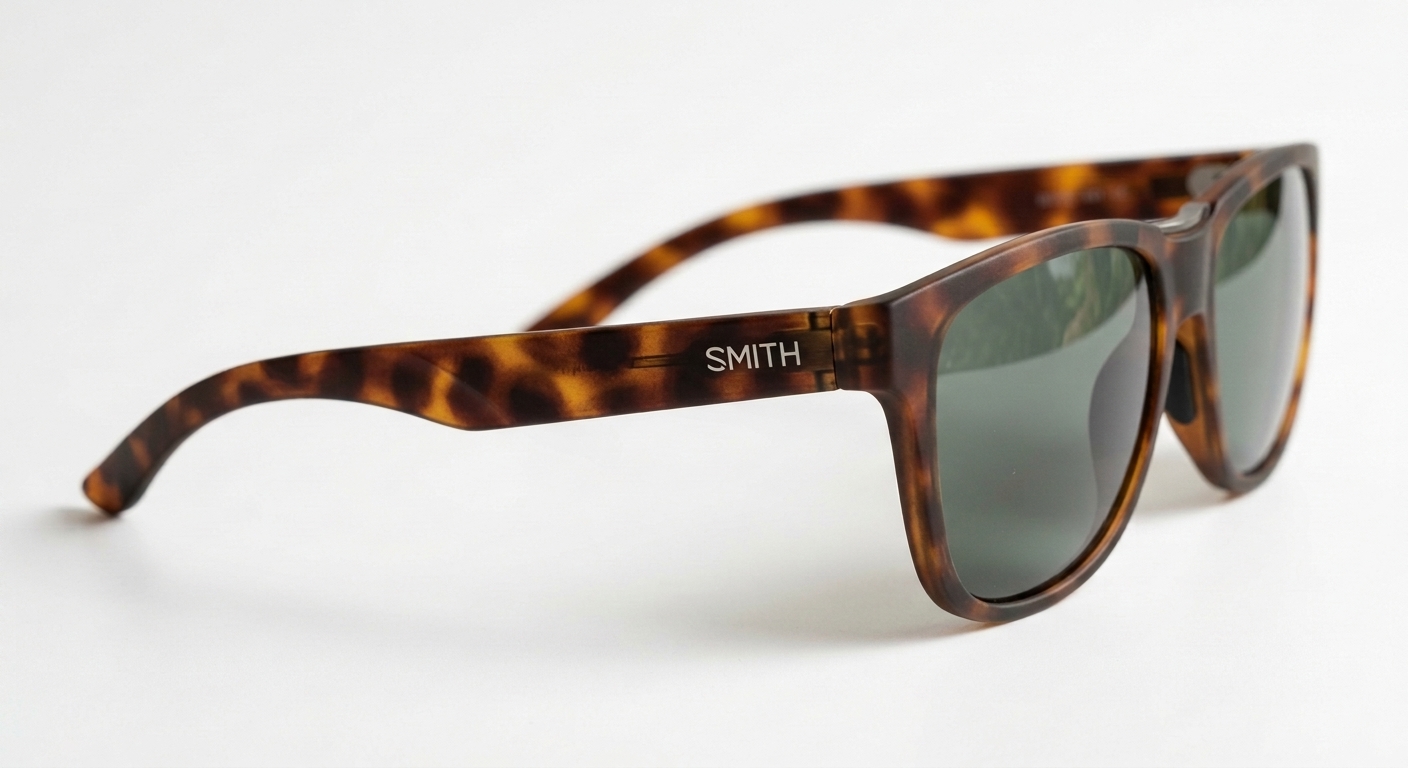
If we could only recommend one pair, this is it. The Lowdown 2 is that rare pair that looks right at a taqueria and works right on a talus field. Smith's ChromaPop polarized lenses are the star — the tech filters the light wavelengths where colors overlap and get muddy, so greens and blues and reds separate and pop. It sounds like marketing until you put them on at a trailhead and the whole hillside snaps into focus. The frame is made from Smith's bio-based Evolve material, it's light enough to forget, and the fit stays glued to your face when you look down to check a map without pinching behind your ears.
Price: Mid-range — check retailer for current pricing | Lens: ChromaPop polarized polycarbonate (Cat. 3) | Available at: Smith Optics, REI, Backcountry
Best Performance/Sport: Smith Wildcat
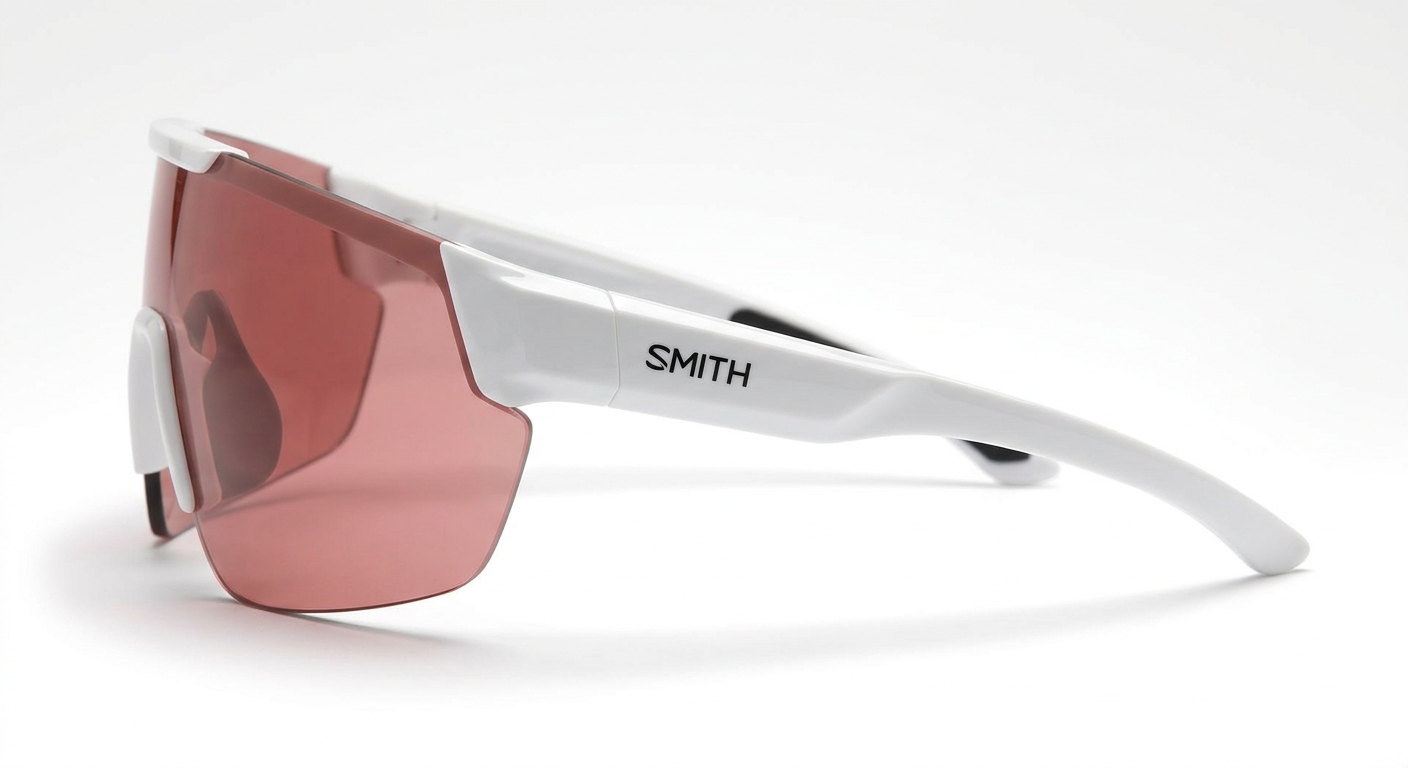
The Wildcat is a big, semi-rimless shield that borrows the wind-blocking coverage of bike goggles while staying light and low-profile enough to wear all day. Coverage is the point — no wind sneaking around the edges at 30 mph on a descent, no sun leaking in sideways on an exposed ridge — but it doesn't make you look like you're about to weld something. You get two-position nose pads, grippy temple ends that are built to hold through a sweaty climb, and a bonus clear lens in the box for dawn patrol and dusk rides. That stay-put fit is the whole value proposition — when you're rattling down washboard gravel with both hands full of handlebar, not having to poke your glasses back into place is worth more than any spec on the box.
Price: Premium — check retailer for current pricing | Lens: ChromaPop (Cat. 3) + included clear lens | Available at: Smith Optics, evo, Backcountry
Best Value: Sunski Headland
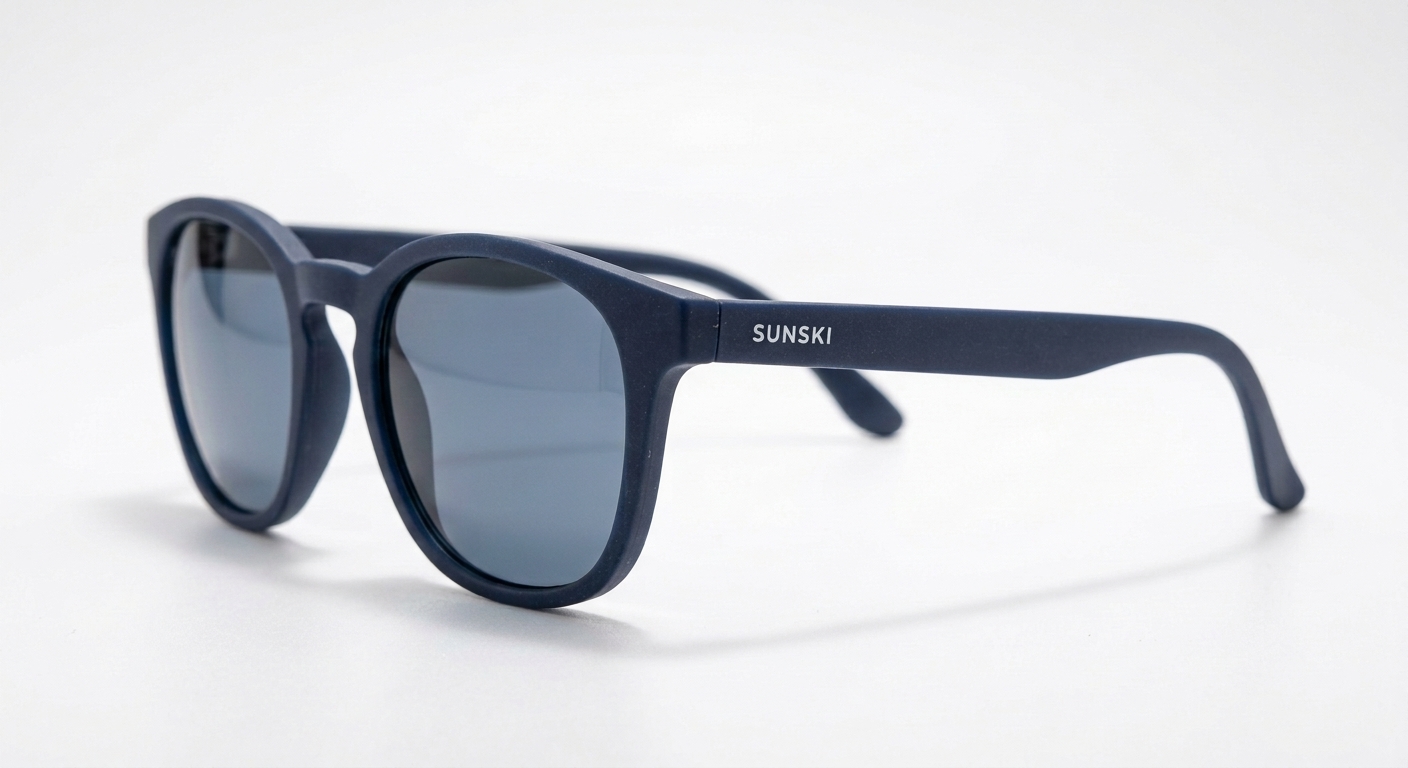
Here's the pair we recommend to friends who lose sunglasses the way the rest of us lose pens. The Headland is polarized, comes with a lifetime warranty, and the frame is made from recycled plastic scrap — the whole Sunski lineup runs under $100 and is built from the stuff. And they're not "good for the price." They're good, full stop: clean polarized optics, a frame that doesn't creak, and a shape that flatters more faces than it doesn't. Are the optics as rich as ChromaPop glass? No. Will you notice on a Tuesday paddle? Also no. If a budget-friendly pair means you actually wear sunglasses every day instead of babying an expensive pair in a drawer, that's the better outcome for your eyes.
Price: Budget — check retailer for current pricing | Lens: polarized polycarbonate | Frame: recycled plastic | Available at: Sunski, REI
Best Polarized for Water and Fishing: Smith Guide's Choice
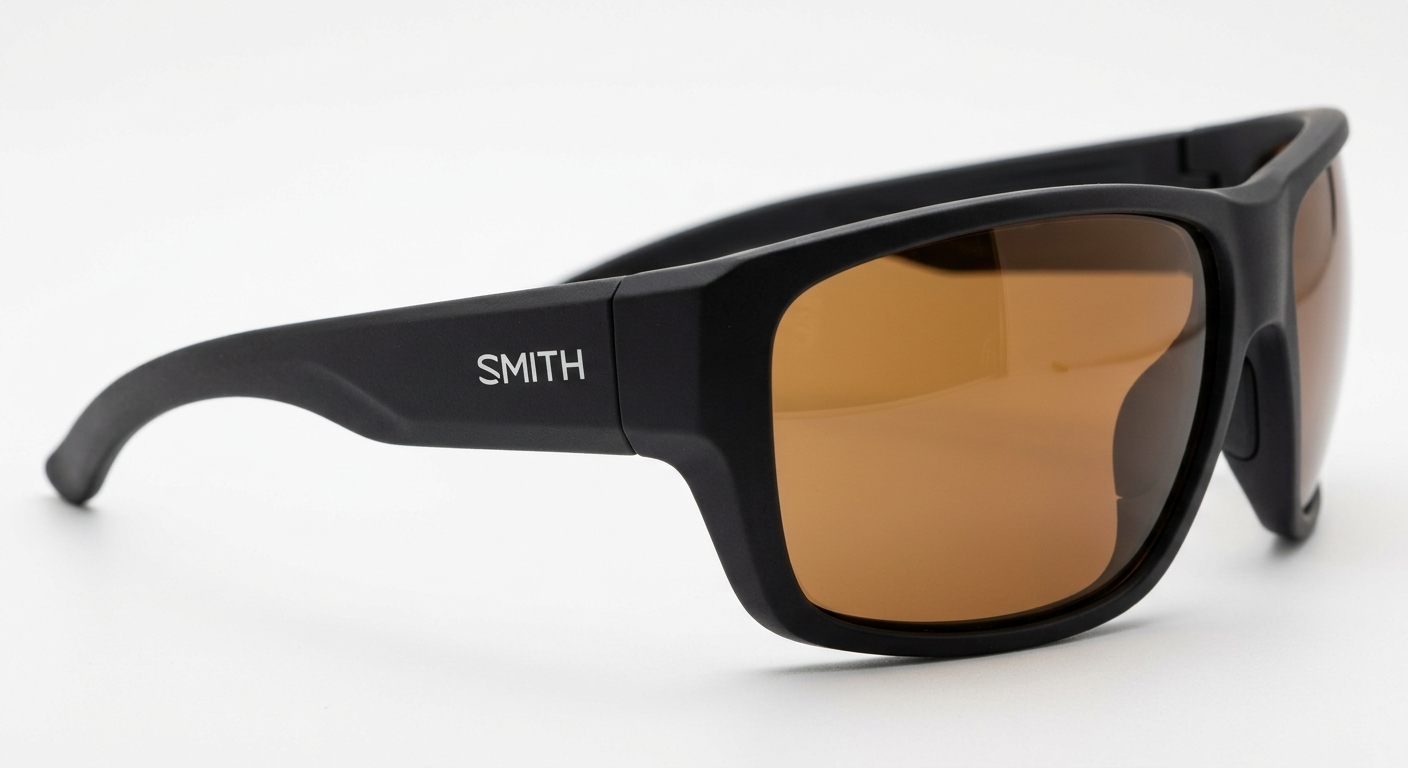
On water, polarization stops being a nice-to-have and becomes the whole point. Glare off a river isn't just annoying — it's a wall between you and everything under the surface. The Guide's Choice with ChromaPop+ polarized glass lenses tears that wall down — anglers describe reading the bottom in six feet of water like a topo map: grass edges, sand holes, and yes, the fish. Glass costs you a little weight, but it buys you the clearest optics in the game and lenses that shrug off the scratches that come with a life spent around boat decks and zippers. Full wrap coverage, spring hinges, and a hydrophobic coating that sheds spray round it out. There's a reason this model is a fixture on fishing guides' faces.
Price: Premium — check retailer for current pricing | Lens: ChromaPop+ polarized glass | Available at: Smith Optics, Simms, Backcountry
Best for Running and Biking: Sunski Velo
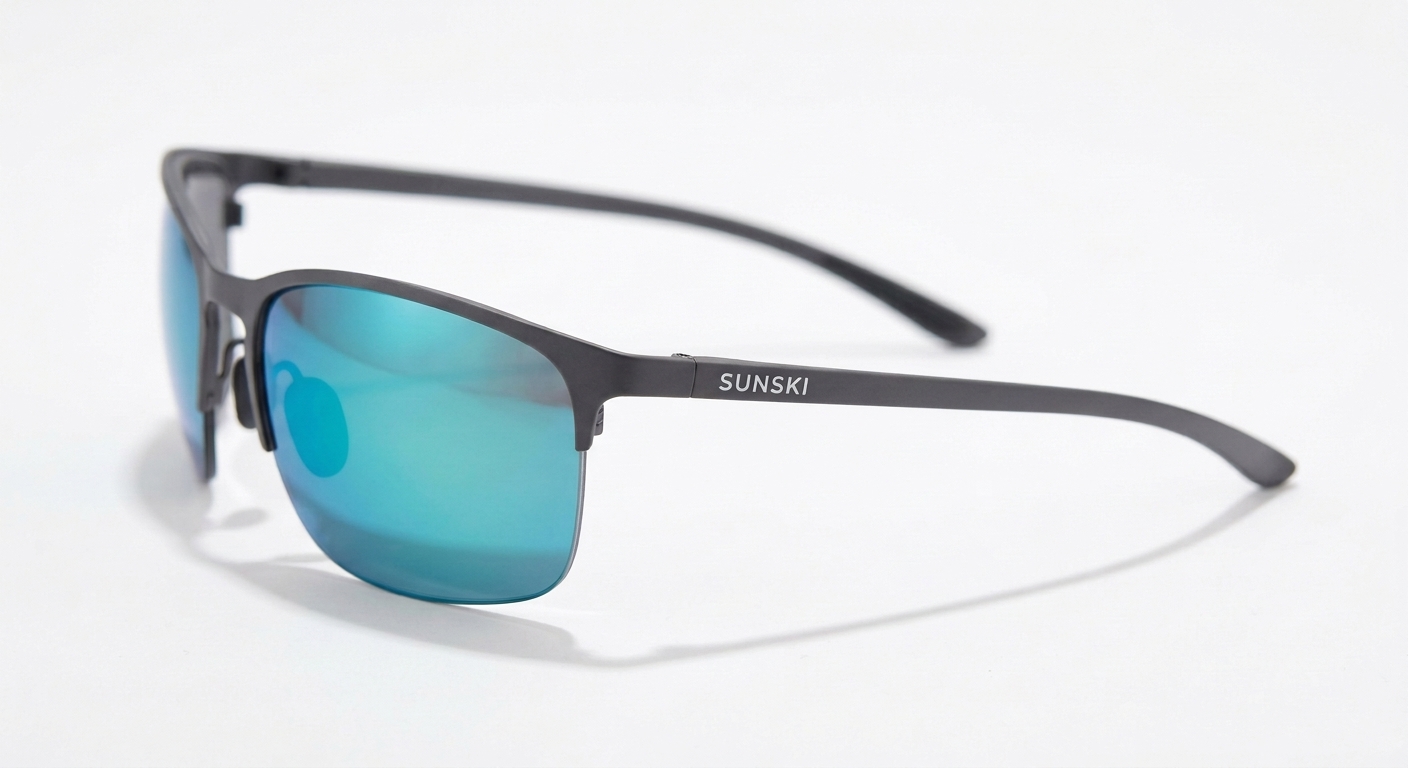
The Velo weighs about as much as an AA battery — around 21 grams — and that's the first thing you notice. The second thing is the nose grip, which is the real story: a soft, tacky pad designed to lock in harder the sweatier you get, at well under half of what the big sport brands charge. The polarized lenses are a genuine bonus at this price, and the styling is subdued enough that you can wear them to lunch after the ride without looking like you're mid-race.
Price: Budget — check retailer for current pricing | Lens: polarized polycarbonate | Weight: ~21 g | Available at: Sunski, REI
Best Casual-to-Trail Crossover: Sunski Treeline
The Treeline is the pair for people whose weekends start at a coffee shop and end above treeline. It's a classic glacier-glasses silhouette — snap-on side shields and all — clean enough for a brewery patio, and genuinely useful up high, where reflected light sneaking in from the sides is a real problem on snowfields and open water. Pop the shields off and they're just handsome everyday sunglasses. Recycled frame, polarized lenses, budget price, lifetime warranty. It's the most versatility per dollar on this list, and the side shields are a legitimately useful feature disguised as a fashion statement.
Price: Budget — check retailer for current pricing | Lens: polarized polycarbonate (Cat. 3) | Frame: recycled plastic, removable side shields | Available at: Sunski, REI
Polarized or Not? (It's Not Always Yes)
Quick physics, minus the pain: glare is light that's bounced off a flat surface — water, snow, a wet road — and gotten organized into one plane. A polarized lens is a microscopic set of blinds that blocks that plane. Result: the blinding sheet of white on the lake disappears, and you can suddenly see into the water instead of just at it.
For anything involving water, polarization is worth every penny. For driving, it kills windshield glare and hot spots on the road. But it's not automatically better for everything. On snow, polarization can erase the glint that tells you a patch is ice instead of powder — a lot of skiers deliberately go non-polarized for exactly that reason. And polarized lenses do strange things to LCD screens: your bike computer, your fish finder, your phone in landscape mode can go dark or rainbow-streaked at certain angles. If your ride revolves around a head unit, try before you commit.
Glass vs. Polycarbonate
Glass gives you the best optics, period — the clarity difference is real, especially polarized glass on water — and it's dramatically more scratch-resistant. The costs: weight, price, and the fact that glass can crack if things go badly wrong. Polycarbonate is light, cheap, and essentially shatterproof, which is why every sport lens is made from it. The trade is that it scratches if you look at it wrong.
Our honest rule: glass for fishing and boating, where clarity pays rent every minute and the extra grams don't matter. Polycarbonate for everything where you're moving fast or crashing occasionally. Nobody wants glass lenses in a mountain bike crash.
Do Expensive Sunglasses Actually Matter?
Here's the part the industry would rather we mumble: a $20 pair and a $250 pair block the same UV. That's regulated, it's binary, and it's true of virtually everything sold by a legitimate retailer in the US. Your retinas are equally protected either way.
What you're actually buying as you go up in price: optical precision (cheap lenses have distortion that your eyes correct all day — that's part of why bargain shades can leave you weirdly tired), better polarization execution, coatings that shed water and resist scratches, hinges that survive years of one-handed removal, and warranties that mean something. Whether that's worth it depends entirely on you. If you're on the water forty days a summer, premium glass lenses are cheap per hour. If you sacrifice a pair to a lake annually, buy the budget Sunskis and lose them with a clear conscience.
Keeping Them on Your Face (and Out of the Lake)
Nearly every pair of sunglasses ever donated to a body of water shared one detail: no retainer. A $10 strap — Chums and Croakies are the classics, any paddle shop or REI has a wall of them — is the single highest-value sunglasses accessory that exists. On the water it's non-negotiable.
Fit matters too. If a pair slides when you look down, it will launch when you lean over a gunwale. Look for adjustable or grippy nose pads (the Wildcat and Velo both excel here) and temples that wrap comfortably behind your ears instead of vice-gripping your skull — and if the fit is still slightly off, any local optical shop can heat-adjust a frame to your head in about two minutes. And know this about your own head: sweat changes everything. The pair that fits fine at the trailhead is the one that's on your chin at mile four. That grippy nose pad you didn't think you needed? You need it.
About That Scratch
Bad news first: you can't polish a scratch out of a sunglass lens. The tint and coatings live in thin layers, and "buffing" through them makes things worse. Prevention is the whole game — a hard case in the car, the soft pouch for cleaning (it's microfiber, not just packaging), and never, ever lens-down on any surface. Clean with water or lens spray before you wipe; dragging dry grit across a lens with your shirt hem is how most "mystery" scratches happen.
If the damage is done: Smith sells replacement lenses for many frames, and Sunski's lifetime warranty covers defects while replacement parts keep the frame alive. A scratched lens right in your sightline is worth replacing, not tolerating — you'll stop noticing it consciously, but your eyes never do.
Squint Less Out There
Somewhere out there is an alpine lake with somebody's third pair of sunglasses in it, and we like to think they're happy. Learn from the pattern: buy the right pair for how you actually spend your time outside, put a strap on it near water, and keep it in the case when it's not on your face.
If any of these picks made your short list, shopping through Epic Outdoor's links to Smith Optics, Sunski, REI, Backcountry, and the rest earns you entries in our gear sweepstakes automatically — same price, no pressure, just a bonus shot at a serious gear haul for buying the shades you were going to buy anyway. No purchase necessary — see the Official Rules for free entry details. See you out there. We'll be the ones not squinting.