There's a moment on almost every borrowed-pack trip — somewhere around mile 12, as the afternoon wind comes off the lake — when somebody stops mid-trail, drops the 65-liter pack in the dirt, and announces that backpacking is a scam invented by people who hate joy. Shoulders rubbed raw, lower back full of opinions, a perfectly nice pack (for someone else's body) swinging like a duffel bag full of firewood with every step. Then they try a pack that actually matches their torso, cinch the hipbelt where it belongs, feel the weight settle onto their hips instead of hanging off their neck, and say the same thing everyone says: "Oh. It's not supposed to hurt."
No, it's not. A pack that fits disappears. A pack that doesn't will ruin the prettiest trail on earth. So with spring here and permit season in full swing, we rounded up the packs we'd actually tell a friend to buy.
What We Actually Look For
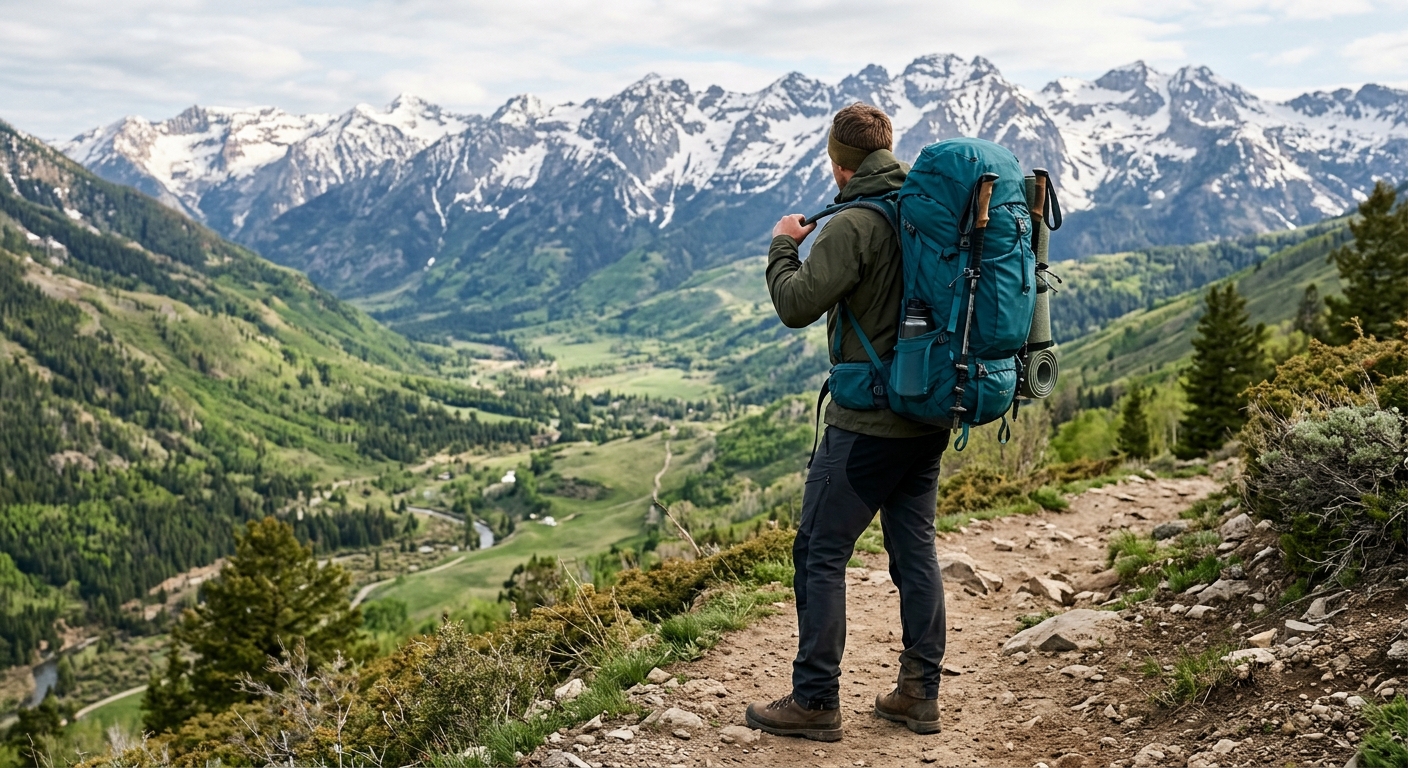
Spec sheets lie by omission, so here's what we're really judging — on design, materials, and the patterns that show up over and over in owner feedback: how the weight carries (a pack that transfers load to your hips will beat a lighter pack that doesn't, every time), hipbelt quality (the single most important part of any pack over 20 liters), usable organization (can you grab a snack and a rain shell without unpacking your life?), durability where it counts (bottom panel, zippers, mesh), and honest weight — because a 6-pound empty pack starts the trip with a penalty.
Our Top Picks
Best Daypack: Osprey Talon 22
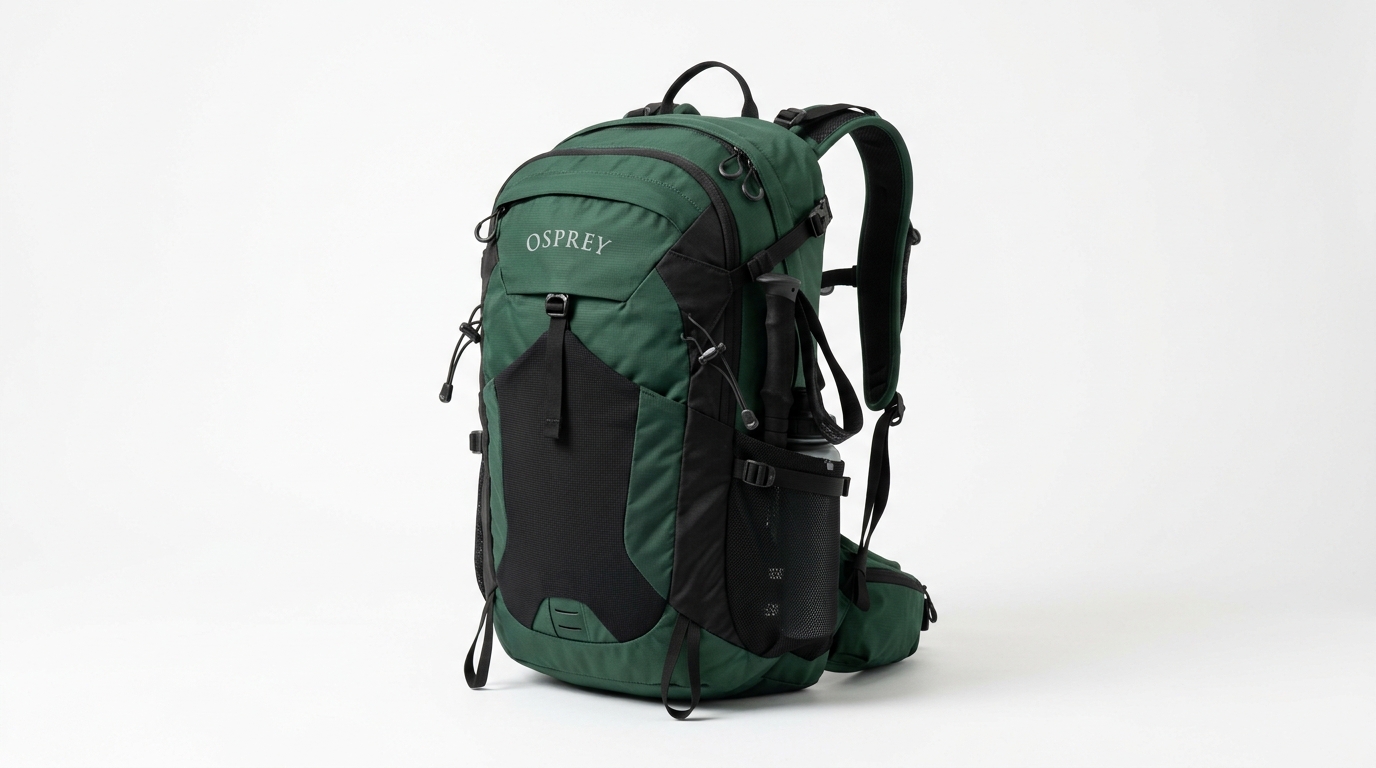
If we could only recommend one daypack, this is it, and it isn't close. The Talon 22 has been in Osprey's lineup forever because they got it right: a wrap-around hipbelt that's continuous with the back panel, so the whole pack moves with you instead of bouncing on you. It swallows a rain shell, lunch, two liters of water, and a first-aid kit with room left for the fleece you'll shed by 10 AM, and owners take it scrambling, snowshoeing, and even trail running without it fighting back. The women's version is the Tempest 20, and it's every bit as good.
Price: Mid-range — check retailer for current pricing | Weight: 2 lb 0.3 oz | Volume: 22L | Available at: Osprey, REI, Backcountry
Best All-Around Backpacking Pack: Osprey Atmos AG 65
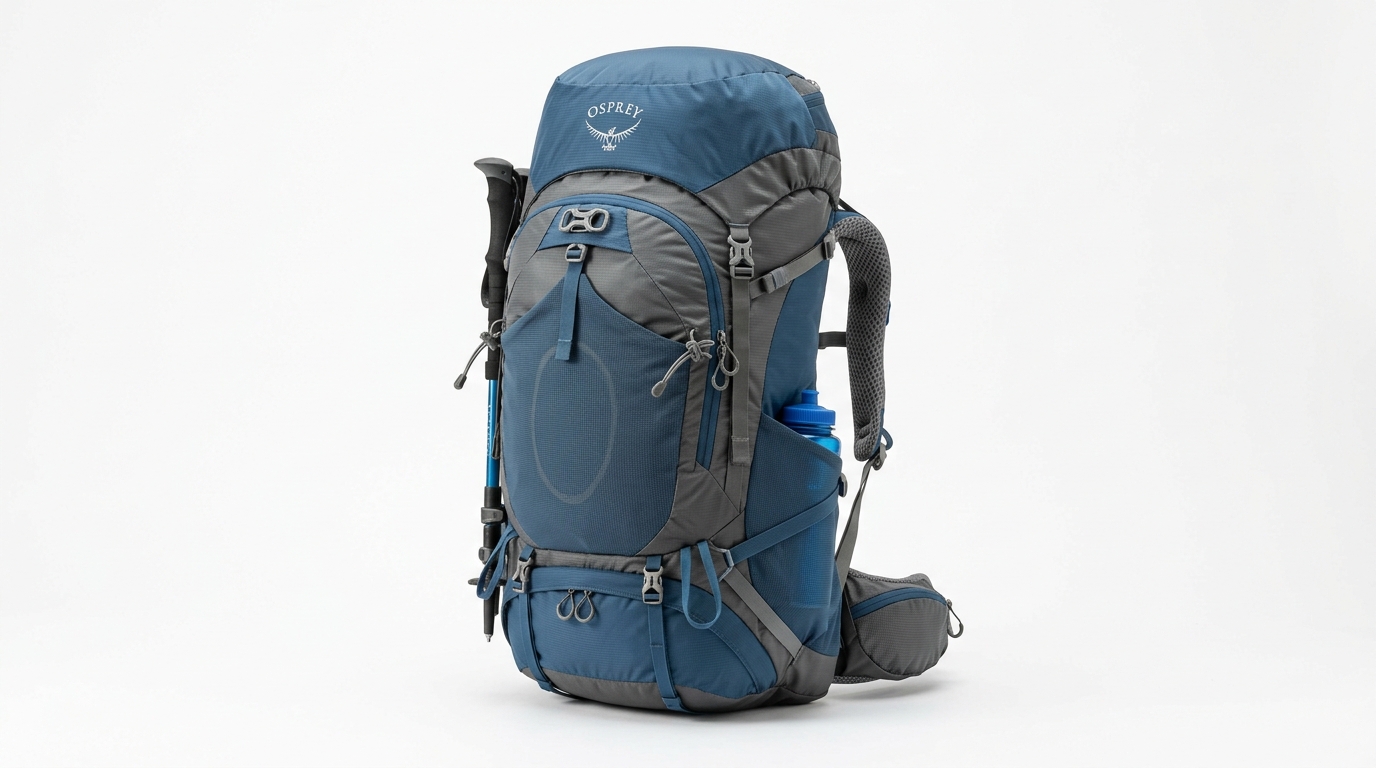
The Atmos AG is the pack we point friends to when they're getting serious, because the Anti-Gravity suspension is the closest thing to cheating that's legal in backpacking. It's one continuous trampoline of mesh from your shoulders to your hipbelt, and owners consistently report that a 40-pound load feels lighter in it than in almost anything else — while your back gets airflow instead of a swamp. The torso length adjusts, the hipbelt padding extends for different waists, and the whole thing is decked out with exactly the right pockets in the right places. Yes, it's 4.5 pounds empty. We've decided we don't care. (Women's version: the Aura AG 65.)
Price: Premium — check retailer for current pricing | Weight: 4 lb 9 oz | Volume: 65L | Frame: internal, suspended mesh | Available at: Osprey, REI, Backcountry
Best Women's-Specific Fit: Gregory Deva 60
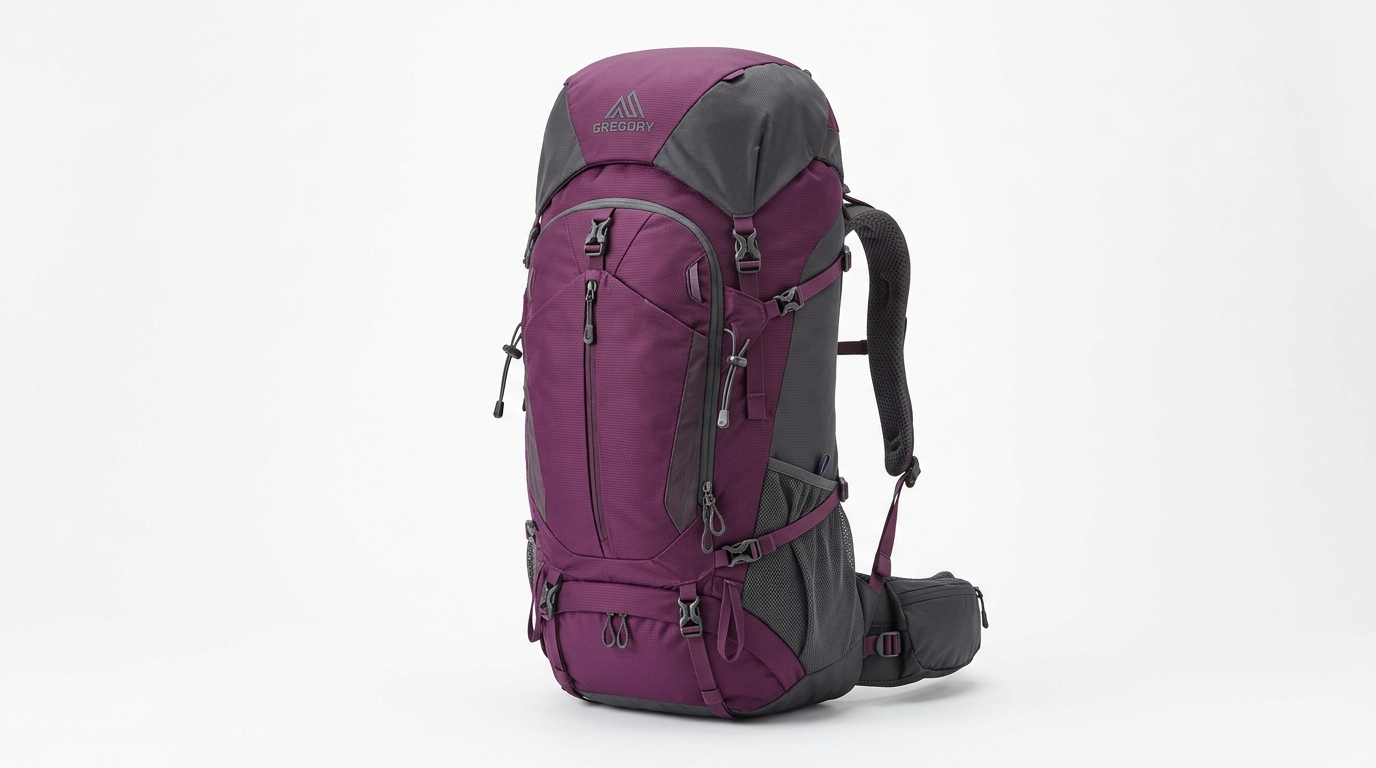
"Women's fit" too often means a men's pack in purple. The Deva is the real thing: a shorter torso range, shoulder straps shaped to curve around rather than across, and a hipbelt angled for hips that actually flare. Gregory's FreeFloat suspension lets the hipbelt panels pivot with your stride, which sounds like marketing until you're sidehilling with 35 pounds and the pack just... stays put. It's the kind of pack longtime owners refer to, unprompted, as "my pack" in a tone people usually reserve for dogs. If 60 liters is more than you need, the lighter Maven line brings the same fit logic down to weekend size.
Price: Premium — check retailer for current pricing | Weight: 4 lb 11 oz | Volume: 60L | Frame: internal, pivoting hipbelt | Available at: Gregory, REI, Backcountry
Best Ultralight: Hyperlite Mountain Gear Southwest 55
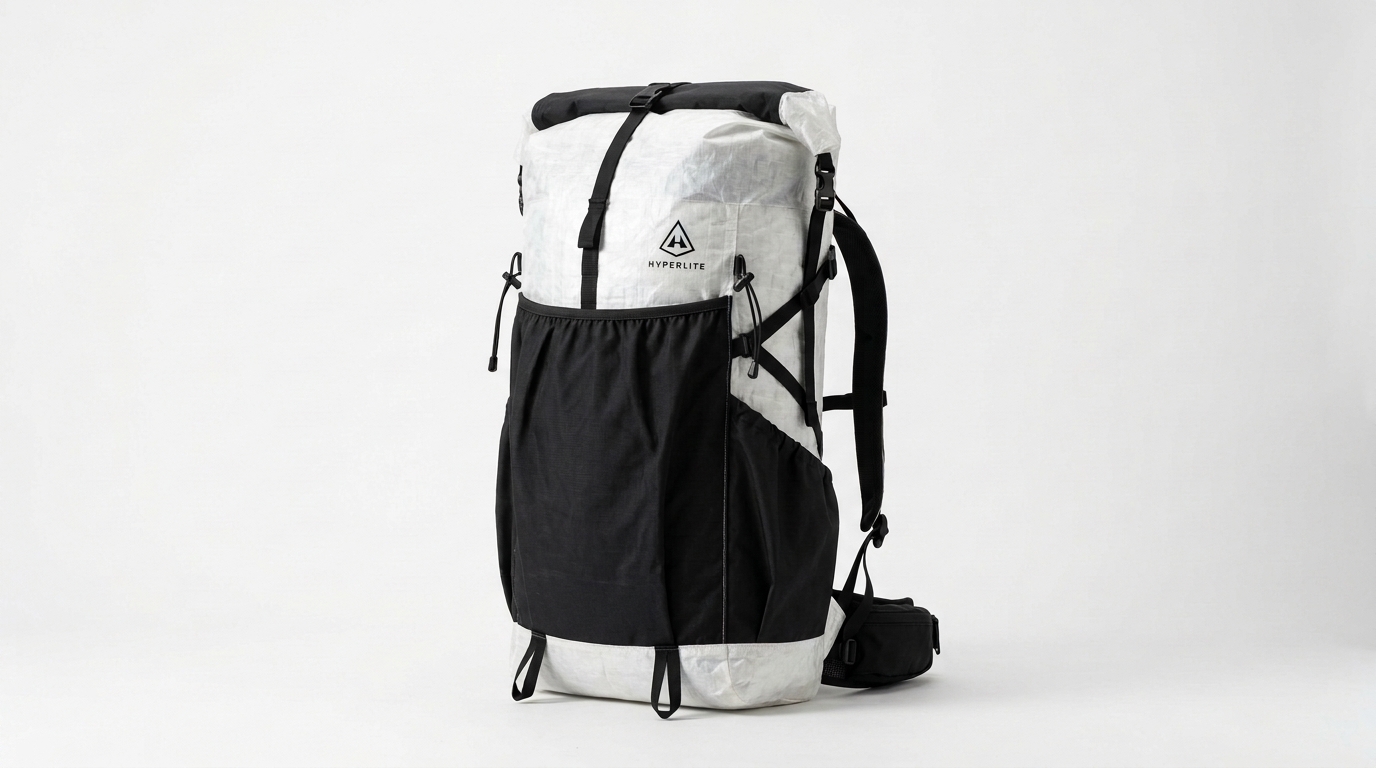
There's a moment in every gear-obsessed hiker's life when they pick up a Hyperlite for the first time and laugh, because it can't possibly weigh that little. The Southwest 55 is just over two pounds — less than half the Atmos — and it's made of Dyneema, a fabric that looks like sailcloth, feels like stiff paper, is nearly indestructible, and shrugs off rain without needing a pack cover. Two removable aluminum stays mean it transfers weight to your hips far better than a two-pound pack has any right to, and the solid (not mesh) exterior pockets survive the desert bushwhacks that shred everything else. The catch: it's simple. No brain, no trampoline back, minimal padding. Ultralight is a commitment, not a purchase. But if your base weight is dialed, this pack is a revelation.
Price: Premium — check retailer for current pricing | Weight: 2 lb 1.6 oz | Volume: 55L | Frame: aluminum stays | Available at: Hyperlite Mountain Gear
Best Budget: REI Co-op Flash 55
The Flash 55 is the pack we recommend most often, because it manages to do almost everything well at a genuinely budget-friendly price. Under three pounds, a real perimeter frame that moves weight to your hips, and a modular system of straps and pockets you can strip off to shed ounces — it's a legitimately modern pack at a price that leaves money for the sleeping bag, and owners report it handling 30-pound loads on week-long trips without complaint. If even that stings, REI's Trailbreak 60 gets you out the door for less; it's heavier and simpler, but the fit basics are all there, and fit is what matters.
Price: Budget — check retailer for current pricing | Weight: 2 lb 14 oz | Volume: 55L | Frame: perimeter aluminum hoop | Available at: REI
Best Hydration Pack for Bikes and Big Days: Osprey Raptor 10
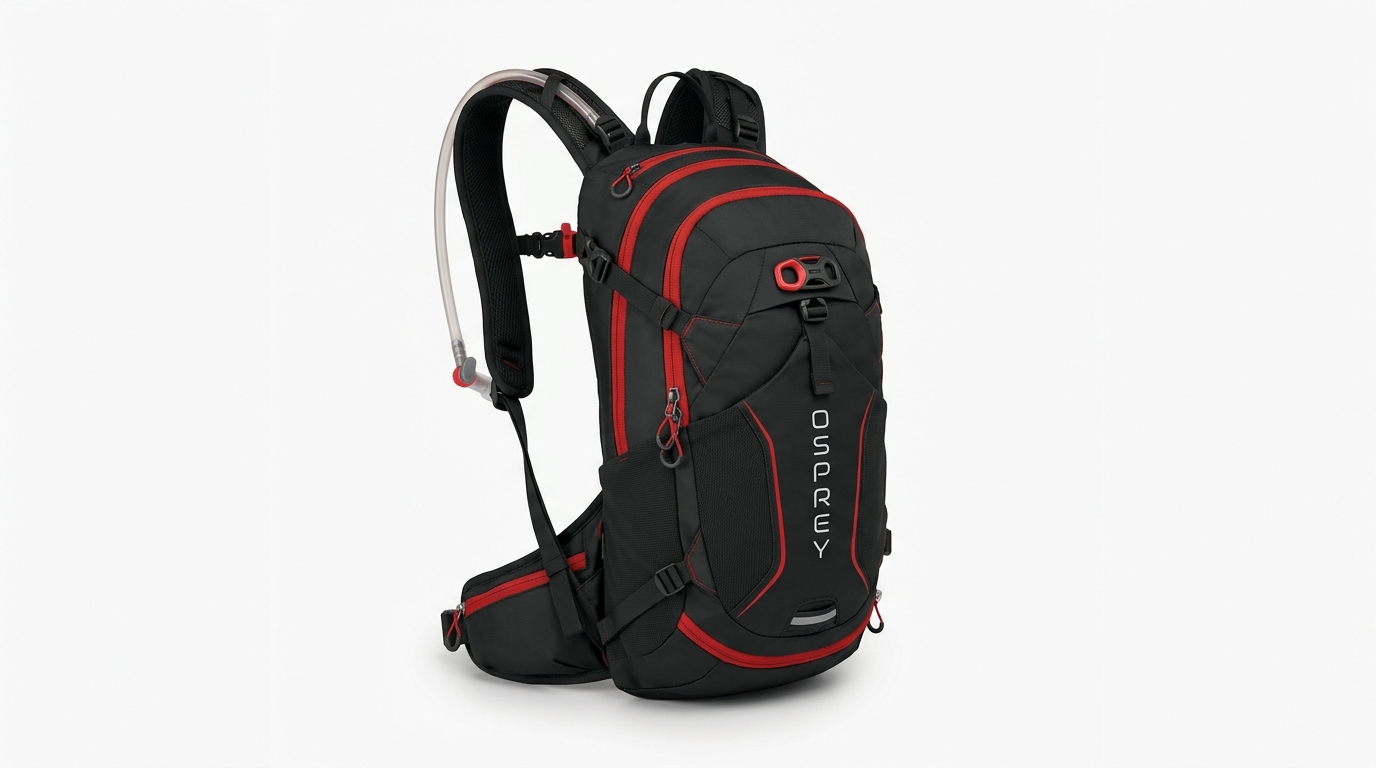
Some days don't need 22 liters — they need water, tools, a snack, and a pack that stays glued to your back when the trail gets rowdy. The Raptor 10 comes with a 2.5-liter reservoir included (a rarity — most brands charge you extra for the whole point of the pack), a magnetic bite-valve keeper on the sternum strap, and a dedicated tool roll in the bottom so your multitool isn't loose in your snacks. The whole harness stretches and hugs, so it doesn't shift when you're out of the saddle. It's built for mountain biking, but it's quietly become a favorite for long trail-run days and summit pushes too. Women's version: the Raven 10.
Price: Mid-range — check retailer for current pricing | Weight: 1 lb 8 oz | Volume: 10L + 2.5L reservoir | Available at: Osprey, REI, Backcountry
Sizing: It's Your Torso, Not Your Height
Here's the thing that surprises everyone: pack size has almost nothing to do with how tall you are. Two people can both be 5'10" and need different pack sizes, because what matters is torso length — the distance from your C7 vertebra (the knob at the base of your neck when you tilt your head forward) down to the imaginary line between the top of your hip bones (the iliac crest — put your hands on your hips, thumbs pointing back, and the line between your thumbs is it).
Have a friend run a soft tape measure between those two points while you stand up straight. Under about 18 inches is usually a small, 18-20 is a medium, over 20 is a large — but check each brand's chart, because they all draw the lines a little differently. If you're between sizes or your torso is still a mystery, this is the one purchase where walking into a store and getting measured is worth the trip. Get it wrong and no amount of strap-yanking will save you: too short and the hipbelt gets pulled up onto your soft waist where it can't carry anything, too long and the shoulder straps hover with a gap while the load drags down toward your tailbone — the firewood-duffel effect.
Loading It: Heavy Stuff Hugs Your Spine
How you pack matters almost as much as what you pack. The golden rule: dense, heavy items ride close to your back, centered between your shoulder blades. That's your food bag, bear canister, stove fuel, and water. Put that weight high and away from your body and the pack pulls you backward on every uphill; put it low and it sags onto your lumbar.
The full recipe, bottom to top: sleeping bag and camp clothes in the bottom (light, squishy, not needed until camp), heavy stuff against your spine in the middle wrapped by mid-weight gear like your tent body and clothing, then the things you'll want during the day — rain gear, filter, lunch — on top. Snacks, sunscreen, lip balm, and phone go in the hipbelt and lid pockets, because if it takes off-the-shoulders effort to reach a snack, you will not eat the snack, and by 3 PM you will not be a fun person.
Fit: The Weight Belongs on Your Hips
Shoulders are for keeping the pack from tipping backward. Hips are for carrying it — 80 percent of the load, give or take. The order of operations, every single time you put the pack on:
- Loosen everything. Straps, belt, all of it.
- Hipbelt first. Center the padding on top of your hip bones — the iliac crest again — not around your waist like a belt. Buckle it snug enough that the pack's weight visibly lifts off your shoulders.
- Shoulder straps second. Snug, not tight. They should wrap your shoulders with no gap behind your collarbone, and you should be able to slide two fingers under them.
- Load lifters (the little straps angling from your shoulder straps back to the frame): gentle tension, roughly 45 degrees. Crank them and you'll pull the hipbelt off your hips and undo everything.
- Sternum strap last, and lightly — it stabilizes, it doesn't carry.
If your shoulders ache at the end of the day, the problem is almost never the shoulder padding. It's a hipbelt that's too loose, too low, or on a pack whose torso is the wrong length.
Honest Question: Do You Even Need 65 Liters?
Here's our unpopular opinion: most people buy their big pack first and their good judgment later. A 65-liter pack is for week-long trips, bear-canister country, shoulder-season loads, or carrying gear for a kid or a partner. For a two-night summer weekend with modern gear, 50 to 55 liters is plenty — and the smaller pack does you a favor, because empty space in a pack has a way of filling itself with a second camp chair and a cast-iron skillet you'll hate by mile three. If your gear fits with room to spare, size down. Your knees vote yes.
Go Get Fitted, Then Go Get Out There
Spring is the season for this. The snow is coming off the trails, permits are landing in inboxes, and every pack on this list has months of prime hiking ahead of it. Try the torso measurement tonight — it takes two minutes and a friend — and if you can, load a pack with real weight in a store before you commit.
And if this guide helped you narrow things down, shopping through Epic Outdoor's links to Osprey, Gregory, Hyperlite Mountain Gear, REI, Backcountry, or any of our partners automatically earns you entries in our gear sweepstakes — same gear, same price, plus a shot at winning a pile of it. No purchase necessary — see the Official Rules for free entry details. No pressure either way; we're just glad to help you find the pack that disappears. See you at the trailhead.