It's a story every hiker eventually lives: an open ridge, a spring squall that arrives four hours earlier than forecast, and a six-year-old "waterproof" jacket that turns out to be done. Within twenty minutes the fabric goes dark and heavy, water starts wicking through the shoulders under the pack straps, and the walk down becomes a two-hour lesson in exactly how cold 38 degrees and windy feels. Which raises the question worth obsessing over: which rain jackets actually keep you dry?
So this spring, with mud season in full swing and the forecast doing its usual March mood swings, we compared this year's rain shells on specs, materials, and owner feedback. These are the five we'd tell a friend to buy.
How to Read a Rain Jacket Spec Sheet (the 60-Second Version)
Before the picks, two bits of jargon worth decoding, because they explain most of the price differences you'll see.
3-layer vs 2.5-layer. A rain jacket is a sandwich: a face fabric on the outside, a waterproof membrane in the middle, and something protecting that membrane from your skin and pack straps on the inside. In a 3-layer (3L) jacket, that inner protection is a real bonded fabric liner — durable, quieter, comfortable against skin, more expensive. In a 2.5-layer (2.5L) jacket, it's just a printed or sprayed-on coating — lighter and cheaper, but clammier when you sweat and quicker to wear out. Neither is "wrong." A 3L shell is a long-term investment; a 2.5L shell is how you get a legitimately waterproof jacket at 6 ounces or well under a hundred bucks.
Pit zips. Zippered vents under the armpits. They sound like a gimmick until the first time you're grinding uphill in the rain, because here's the dirty secret of every "breathable" membrane ever made: none of them can move sweat as fast as a climbing human produces it. Pit zips can. If you run hot or hike hard, treat them as close to mandatory.
Our Picks
Best Overall: Patagonia Torrentshell 3L
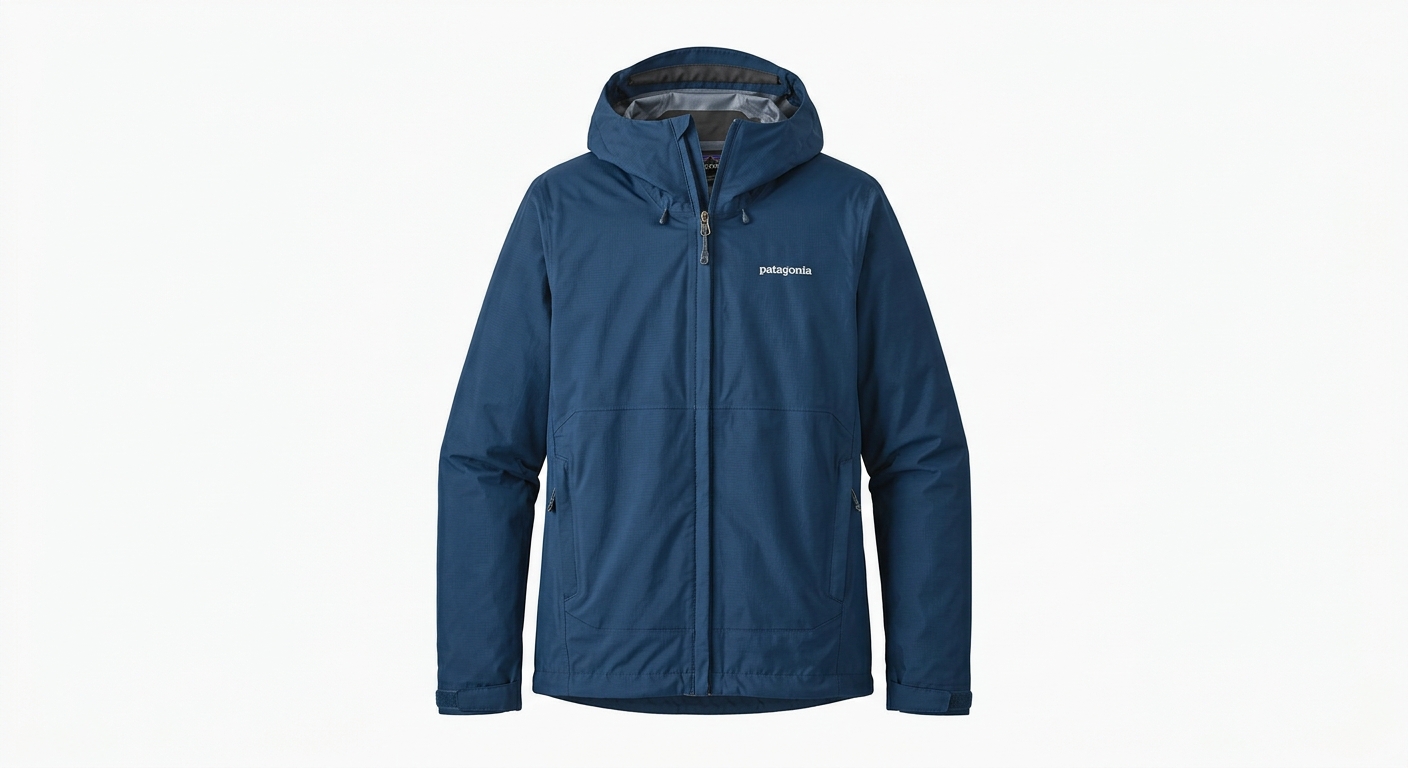
If you only own one rain jacket, make it this one. The Torrentshell is the rare shell that does the unglamorous stuff right: a real 3-layer build (Patagonia's H2No membrane) at a price where most competitors give you 2.5 layers, pit zips, a hood that cinches down and actually stays put in wind, and a face fabric with a reputation among owners for shrugging off seasons of pack straps and blowdown without a leak. It's not the lightest thing here and it won't win any breathability contests with the zips closed, but it's the one we'd reach for by default from March through November.
Price: Mid-range — check retailer for current pricing | Weight: 13.9 oz | Fabric: 3L H2No | Pit zips: Yes | Available at: Patagonia, REI, Backcountry
Best Ultralight: Outdoor Research Helium Rain Jacket
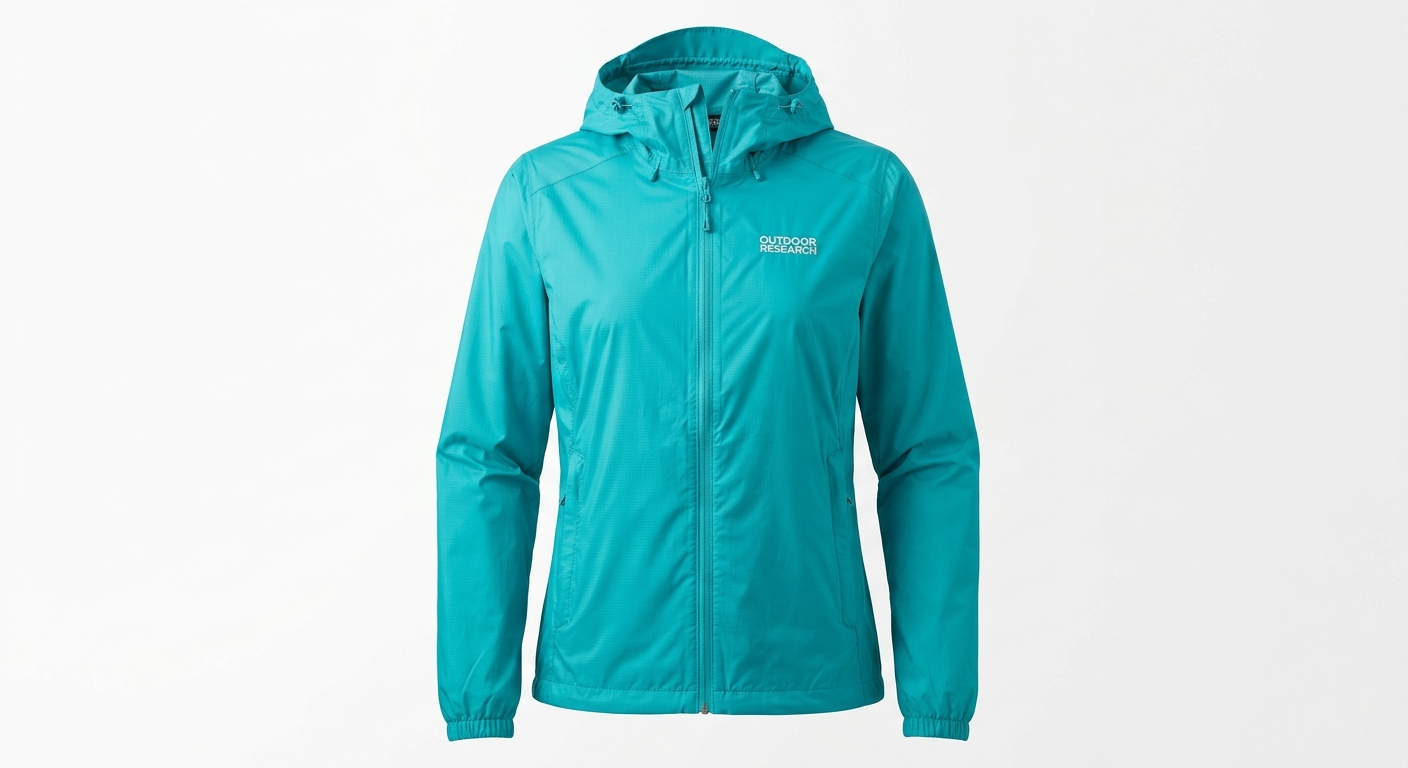
The Helium weighs 6.3 ounces. That's less than a burrito, and it disappears so completely into a pack (it stuffs into its own chest pocket) that there is genuinely no excuse to leave it home — which, for a rain jacket, is most of the battle. The 2.5-layer Pertex Shield fabric with Diamond Fuse tech is far tougher than something this thin has any right to be — owners routinely report years of being crammed under bike saddles and into running vests without failure. The honest trade-offs: no pit zips, so you will steam up on hard climbs, and it's more "emergency force field" than all-day storm gear. As the just-in-case layer for trail runs, spring rides, and fast-and-light days, it's the best there is.
Price: Mid-range — check retailer for current pricing | Weight: 6.3 oz | Fabric: 2.5L Pertex Shield | Pit zips: No | Available at: REI, Backcountry
Best Budget: Columbia Watertight II
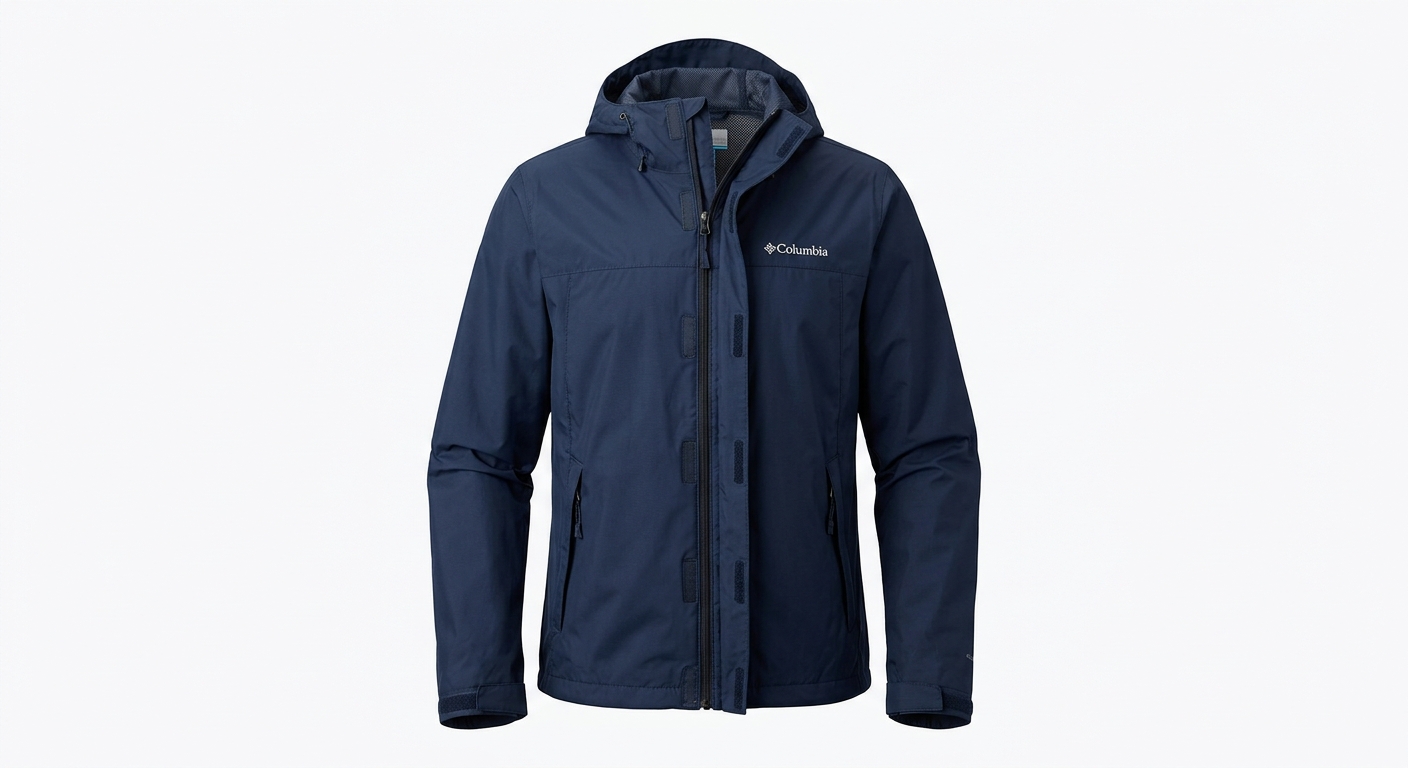
The whole pitch here is the price tag, and it's a good one. The Watertight II is a simple 2-layer shell with Columbia's Omni-Tech membrane, and it flat-out keeps rain off — dog walks, campsite downpours, soggy sideline duty at kids' soccer games, day hikes where the forecast said 20% and lied. It packs into its own hand pocket, the adjustable hood is better than it needs to be at this price, and it comes in about a dozen colors. You give up pit zips, some breathability, and the refinement of the pricier shells here, so it's not what we'd carry into the alpine. For everything else — which is most of life — it's the best value in rainwear, full stop. (If you'd rather add pit zips for a few more dollars, the REI Co-op Rainier is the other budget shell we recommend without hesitation.)
Price: Budget — check retailer for current pricing | Weight: 13.4 oz | Fabric: 2L Omni-Tech | Pit zips: No | Available at: Columbia, REI
Best for Serious Mountain Weather: Arc'teryx Beta AR
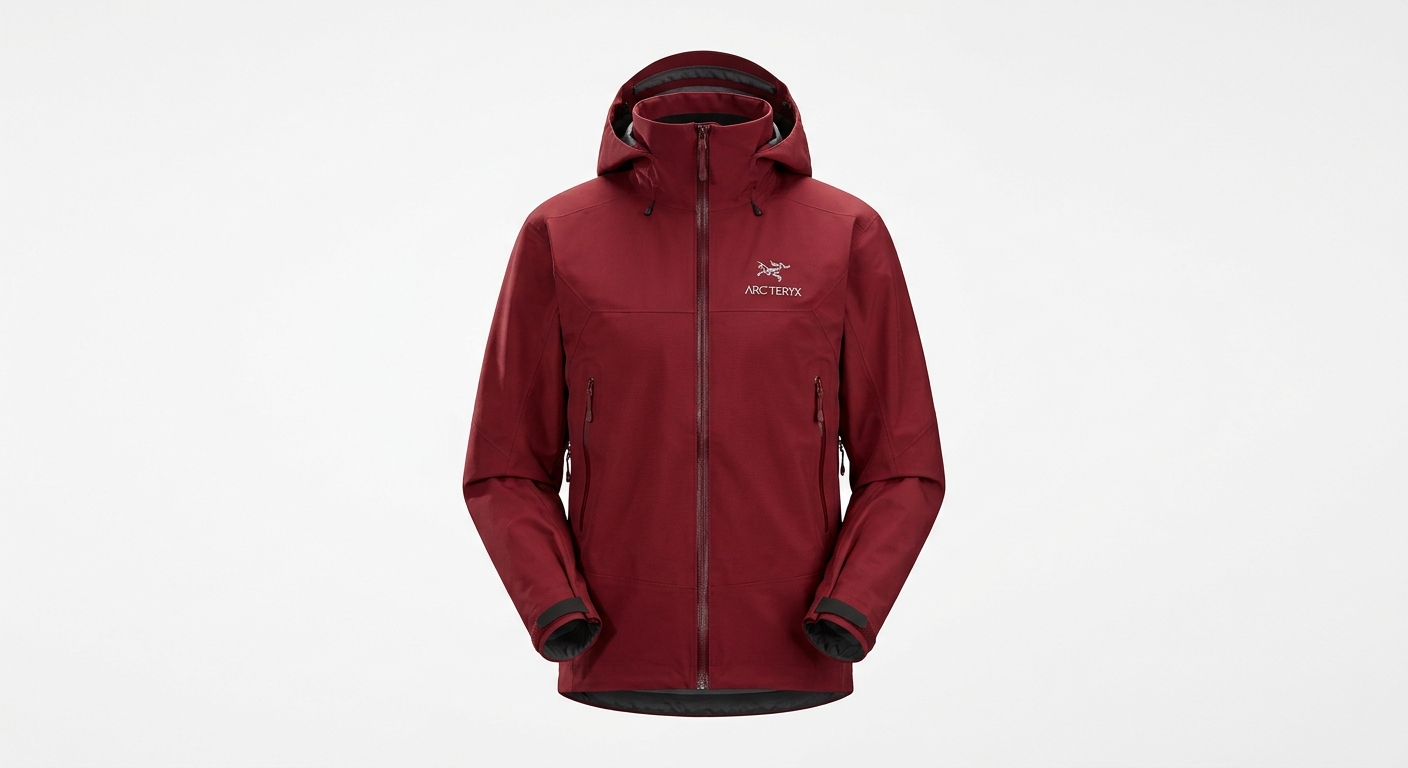
There's a moment above treeline — wind-driven sleet, visibility shrinking, three hours from the car — when you stop caring what a jacket costs and start caring only whether it works. The Beta AR is built for exactly that moment. GORE-TEX Pro is widely regarded as the most stormproof, most durable waterproof fabric on the market, the helmet-compatible DropHood moves with your head instead of fighting it, and the whole jacket has that Arc'teryx quality where every seam and zipper feels overbuilt on purpose. At its decidedly premium price it is absolutely more jacket than a fair-weather day hiker needs — that's what the Torrentshell is for. But if your springs involve alpine starts, shoulder-season summits, or weather that can genuinely hurt you, this is the one we'd trust most. Buy once, cry once, stay dry for a decade.
Price: Premium — check retailer for current pricing | Weight: 14.6 oz | Fabric: 3L GORE-TEX Pro | Pit zips: Yes | Available at: Arc'teryx, Backcountry, REI
Best Breathable for Aerobic Days: The North Face Dryzzle FUTURELIGHT
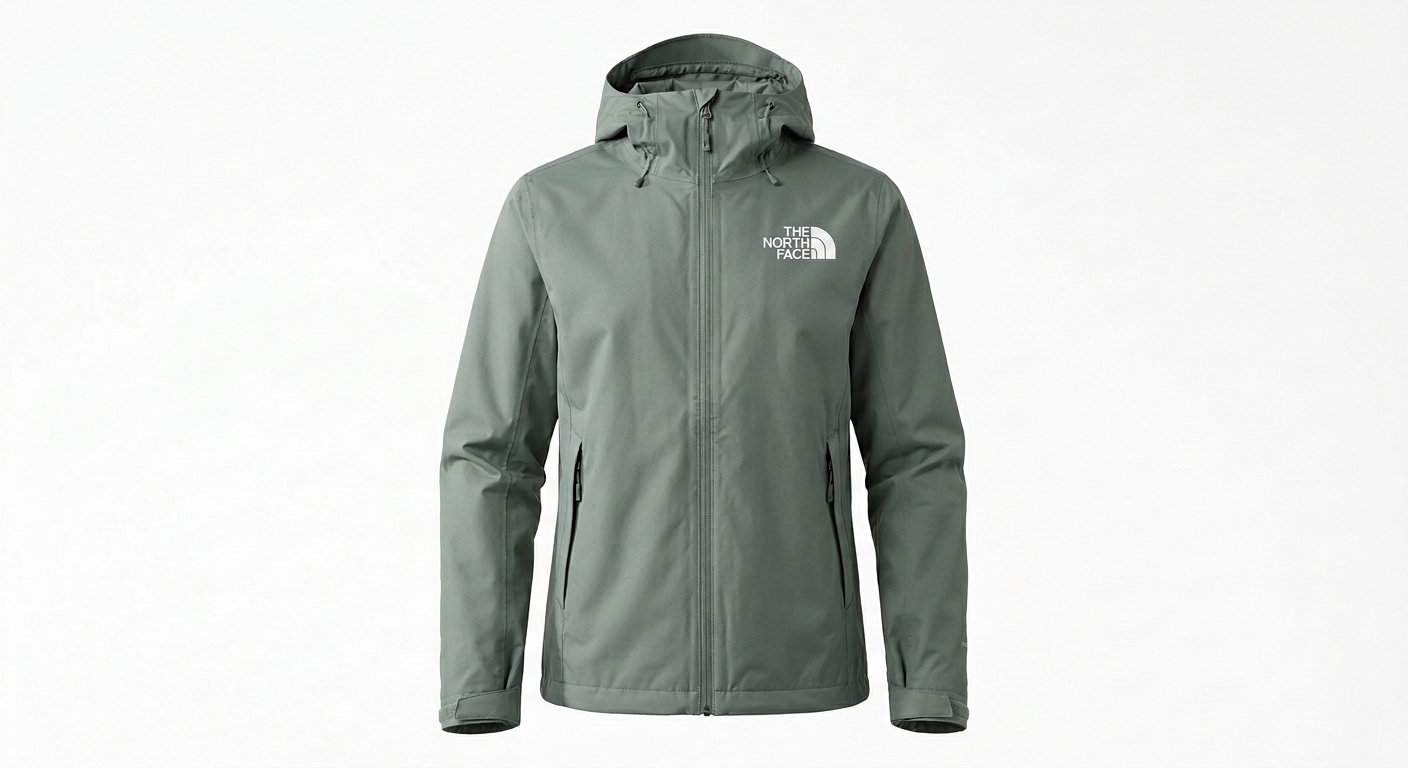
Most waterproof jackets make you choose: stay dry from the rain, or stay dry from yourself. The Dryzzle splits that difference better than anything near its price. FUTURELIGHT is The North Face's nanospun 3-layer membrane, and it's engineered to move more moisture than the standard stuff — the steep, misty climbs that leave you swimming inside an ordinary shell are exactly what it's built for, and the pit zips pick up whatever slack is left. It's soft and quiet, too; none of that crinkly rain-jacket rustle. Waterproofing is a small step below GORE-TEX Pro in truly torrential conditions, so alpine storm chasers should look to the Beta AR instead. For fast hikers, spring trail runners, and anyone who sweats more than they drizzle, this is the shell to get.
Price: Mid-range — check retailer for current pricing | Weight: 11.6 oz | Fabric: 3L FUTURELIGHT | Pit zips: Yes | Available at: The North Face, REI, Backcountry
What Waterproof Ratings Actually Mean
Somewhere on most spec sheets you'll find a number like "10,000mm" or "20K." Here's the plain-English version: imagine standing a very tall, skinny tube of water on the fabric. The rating is how tall that column can get before water pushes through. A 10,000mm (10K) fabric holds back a 10-meter column.
What that means outside the lab:
- 5,000mm: Resists light drizzle. Fine for around town, not for a real storm.
- 10,000mm: Genuinely waterproof in steady rain. Where "real rain jacket" territory begins.
- 20,000mm+: Holds up under pressure — pack straps, wind-driven rain, sitting on wet ground. Premium membranes like GORE-TEX live up here (roughly 28,000mm).
The catch nobody puts on the hang tag: pressure matters more than rain. Rain falling on you is low pressure; a 30-pound pack strap grinding wet fabric into your shoulder is high pressure. That's why shoulders and hip belts are always the first places a marginal jacket leaks, and why backpackers should weigh these ratings more heavily than casual dog walkers do.
Why Every Jacket "Wets Out" (and the $15 Fix)
Here's the thing that would save most ridge-soaked hikers from that April walk of shame: most "leaking" rain jackets aren't actually leaking.
Every rain shell comes coated with DWR — durable water repellent — which is what makes rain bead up and roll off. DWR is also, despite the name, not that durable. Dirt, body oils, sunscreen, and plain abrasion wear it down, and after a season or two, water stops beading and starts soaking into the face fabric instead. The membrane underneath is usually still waterproof, but that saturated outer layer kills breathability, so your sweat condenses inside and you end up wet anyway. The fabric goes dark and heavy. It feels exactly like a leak. Hikers call it "wetting out."
The fix is cheap and slightly magical:
- Wash the jacket. With a technical cleaner like Nikwax Tech Wash — not regular detergent, which leaves residue that attracts water. A dirty jacket is a wet-out-prone jacket, so honestly, do this a couple of times a season.
- Reapply DWR. A wash-in treatment like Nikwax TX.Direct goes right in the machine for the next cycle. Ten minutes of effort, about $15.
- Tumble dry on low. Heat helps the fresh treatment cure and revives whatever original DWR is left. (Check your care tag first, but nearly all shells are fine with low heat.)
A wash and re-treat routinely brings five-year-old jackets back to beading like new. Before you replace a shell that's "stopped working," give it a try — there's a good chance you'll save yourself a couple hundred dollars.
What Goes Under the Shell
A rain jacket is only half the system. Get the underneath wrong and the best membrane on earth can't help you.
- Skip cotton entirely. A wet cotton tee holds water against your skin and pulls heat out of you all day. Synthetic or merino wool base layers wick sweat outward, where the membrane can (slowly) deal with it.
- Cool and moving: base layer plus shell. On a 50-degree rainy hike, that's usually all you want. Overdress and you'll just make your own rain inside the jacket.
- Cold or stopped: add a light midlayer. A grid fleece or a light synthetic puffy under the shell traps warmth without much bulk. We reach for synthetic over down in wet weather — synthetic insulation keeps most of its warmth when damp; down turns into expensive wet confetti.
- Buy your shell to fit a midlayer. When you're trying one on, size it so a fleece fits underneath without turning the whole thing into a sausage casing. A shell you can't layer under is a three-season jacket doing a one-season job.
The Bottom Line
Spring is the season that punishes optimism. The trails are opening up, the forecast is a coin flip, and the difference between a miserable retreat and a genuinely great day in the mist is usually the layer you almost didn't pack. Grab the Torrentshell if you want one jacket for everything, the Helium if ounces matter, the Watertight II if dollars do, the Beta AR if the mountains play rough with you, and the Dryzzle if you sweat harder than it rains.
And a friendly reminder before you go: if any of these end up in your cart, shopping through Epic Outdoor's retailer links — Patagonia, REI, Backcountry, Arc'teryx, The North Face, Columbia — earns you entries in our gear sweepstakes automatically. Same price, same jacket, plus a shot at winning a whole lot more gear to get rained on. No purchase necessary — see the Official Rules for free entry details. Stay dry out there.