It's become one of hiking's most repeated conversion stories: someone looks at their boots — a pound and a half each, still damp from the last trip — leaves them by the door, and hikes a two-night loop in beat-up trail runners instead. They come back the only one in the group without a blister, their feet having dried out on the move after a sloppy stream crossing, and everyone else spends the drive home quietly re-evaluating their lives. Ask around at any long-trail shelter and you'll hear a version of it.
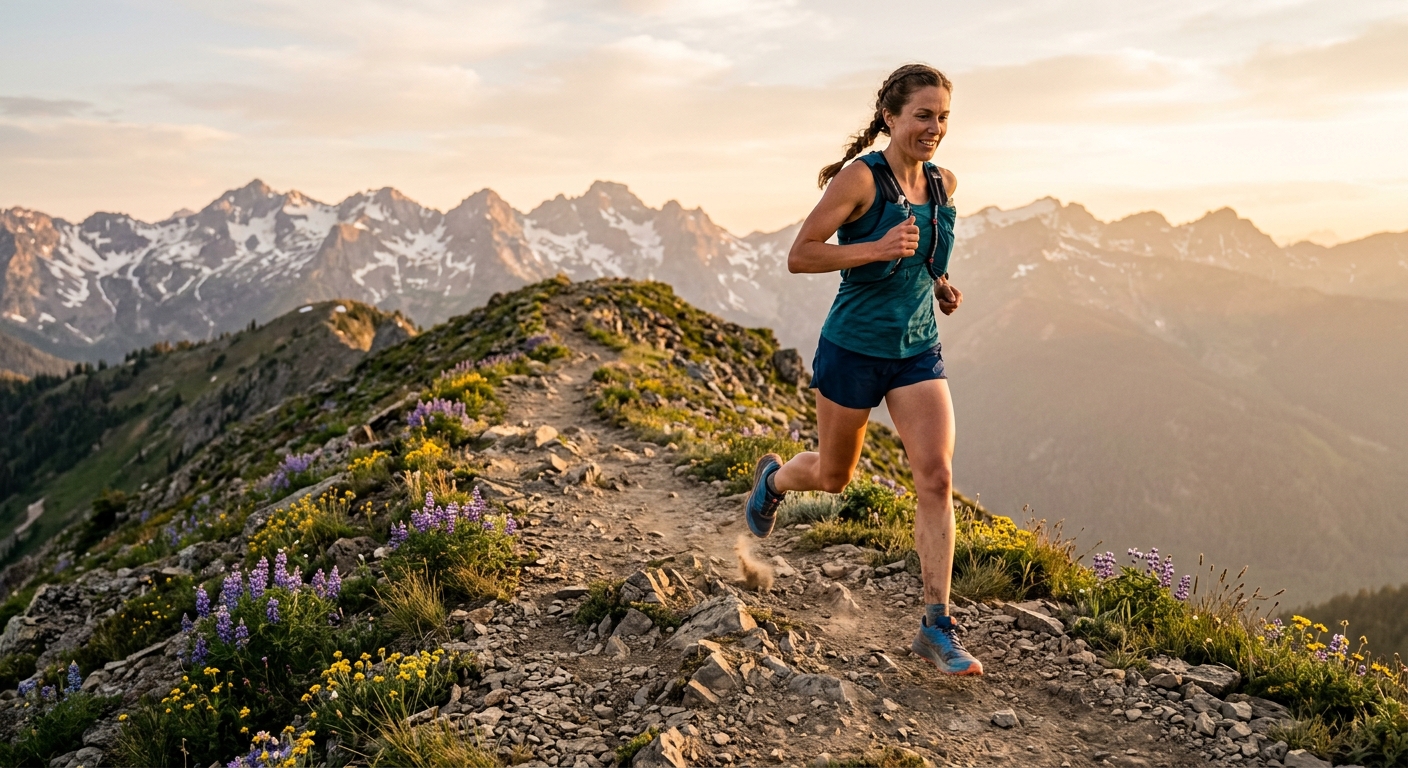
That's the open secret of this roundup: trail running shoes stopped being just for trail runners a while ago. Walk any popular trailhead in June and count feet — the long-distance hikers, the dog walkers, the parents chasing kids up the ridge — most of them are in trail runners. So whether you actually run trails or just want the lightest, most comfortable thing to hike in, these are our favorite shoes of 2026.
The Numbers, Decoded in 30 Seconds
Before we dive in, here's how to read the spec lines below without your eyes glazing over — these three numbers really do dictate how a shoe feels:
- Weight is per shoe (men's size 9-ish). Under 10 oz is light; over 11 starts to feel like a hiking shoe.
- Drop is how much higher your heel sits than your toes. Higher drop (8-10mm) feels familiar if you're coming from boots or road shoes; lower drop (0-6mm) feels natural but asks more of your calves.
- Lug depth is the tread. 3mm handles hardpack and gravel; 5mm bites into mud and won't let go.
Our Top Picks
Best All-Around: Salomon Sense Ride 5
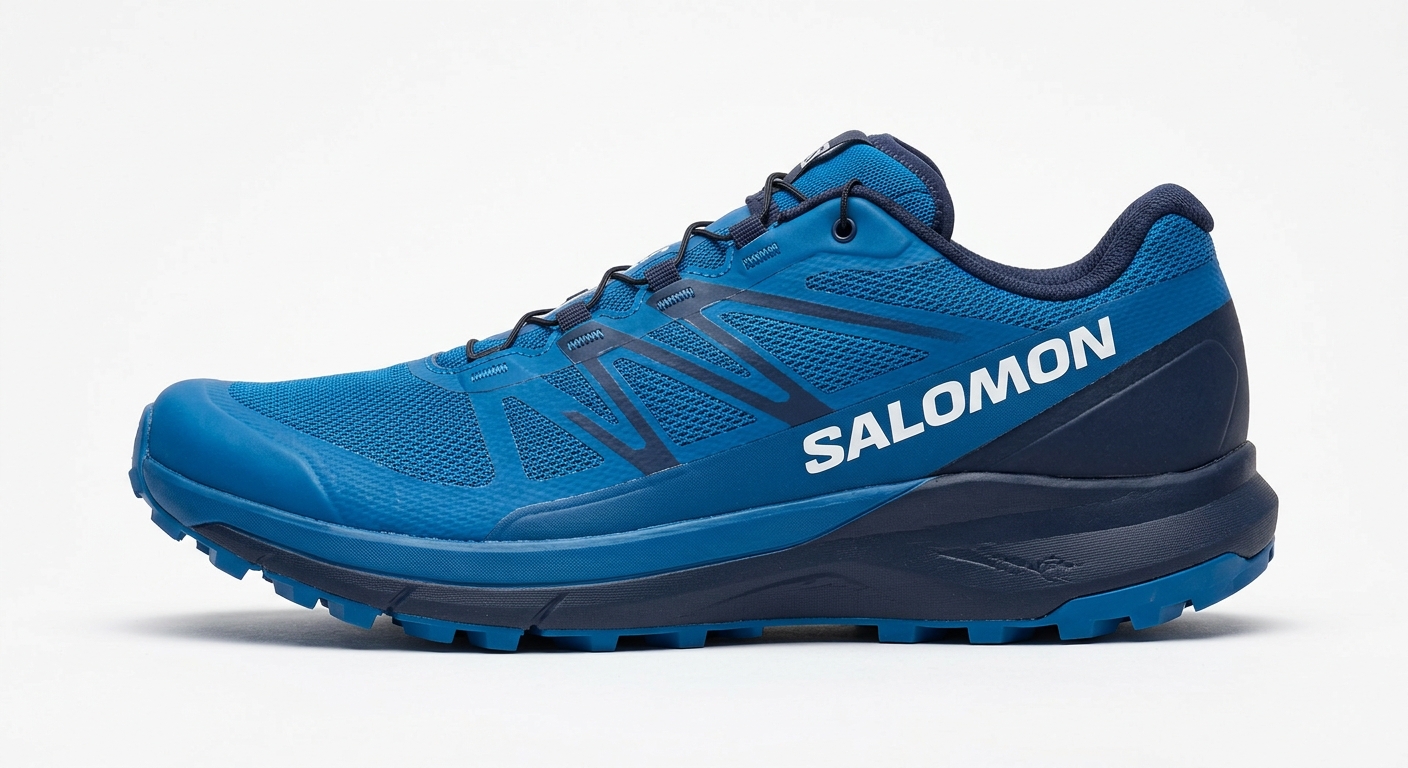
If you tell us "just pick a shoe for me," this is the one. The Sense Ride 5 is the golden retriever of trail shoes — happy on smooth dirt, fine on rocky stuff, comfortable enough to wear to the brewery afterward. The midsole hits that rare middle ground where it's cushioned enough for a 15-mile day but you can still feel the trail under you, and Salomon's quicklace system means you cinch it once and forget it exists. It's the shoe that works for runners, hikers, and skeptical fathers-in-law alike.
Price: Mid-range — check retailer for current pricing | Weight: 9.9 oz | Drop: 8mm | Lugs: 3.5mm | Available at: Salomon, REI, Backcountry
Best Cushion: Salomon Glide Max TR
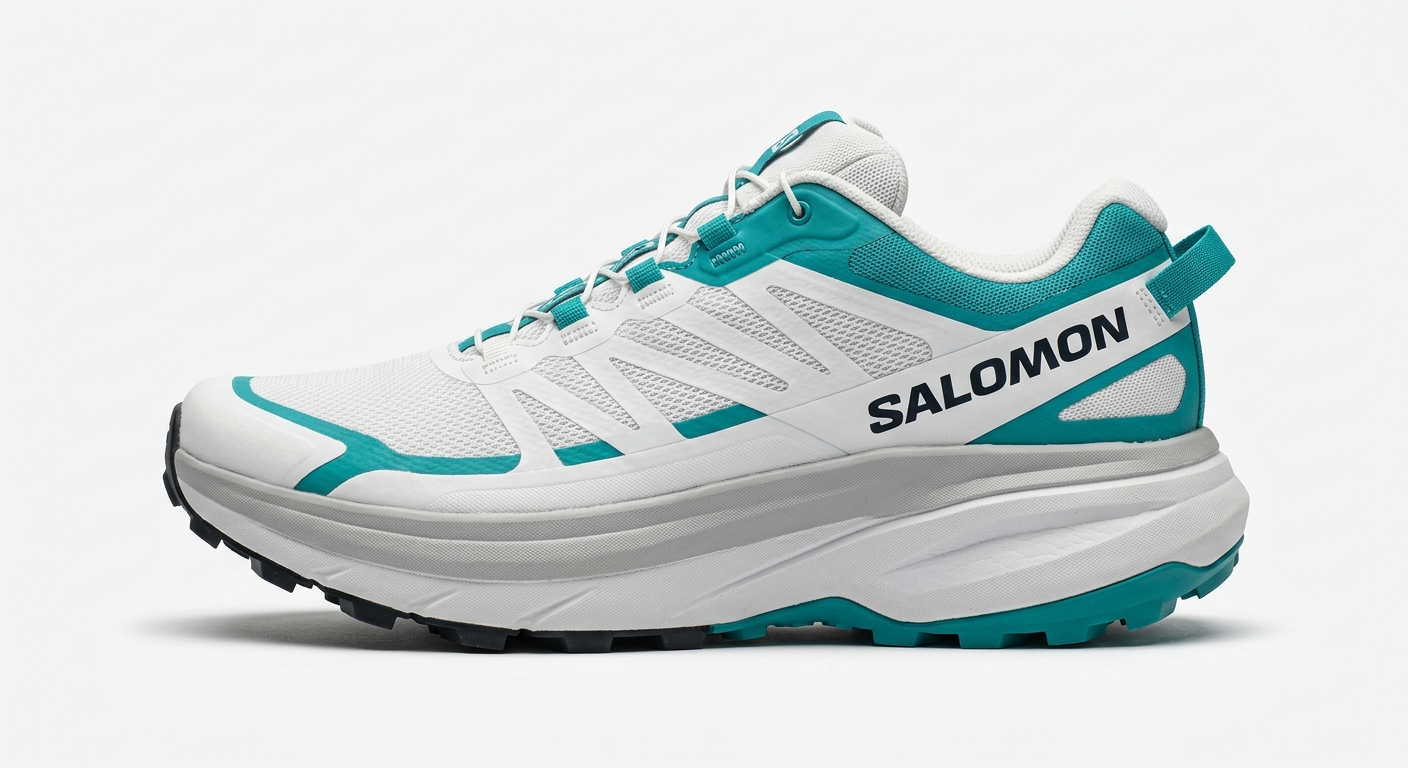
Some days you don't want to feel the trail. You want a marshmallow with a rudder. The Glide Max TR stacks a tall, rockered slab of foam under your foot that turns fire roads and long gravel miles into something close to pleasant — the go-to formula for tired-leg days and back-to-back weekends. It's not the shoe for tiptoeing across a talus field — that much foam gets a little wobbly on off-camber rock — but for eating up mellow miles, nothing else on this list comes close. Merrell's Morphlite does a budget version of the same idea if the Salomon price stings.
Price: Mid-range — check retailer for current pricing | Weight: 10.9 oz | Drop: 6mm | Lugs: 3.5mm | Available at: Salomon, Backcountry
Best for Technical Terrain: Salomon Speedcross 6
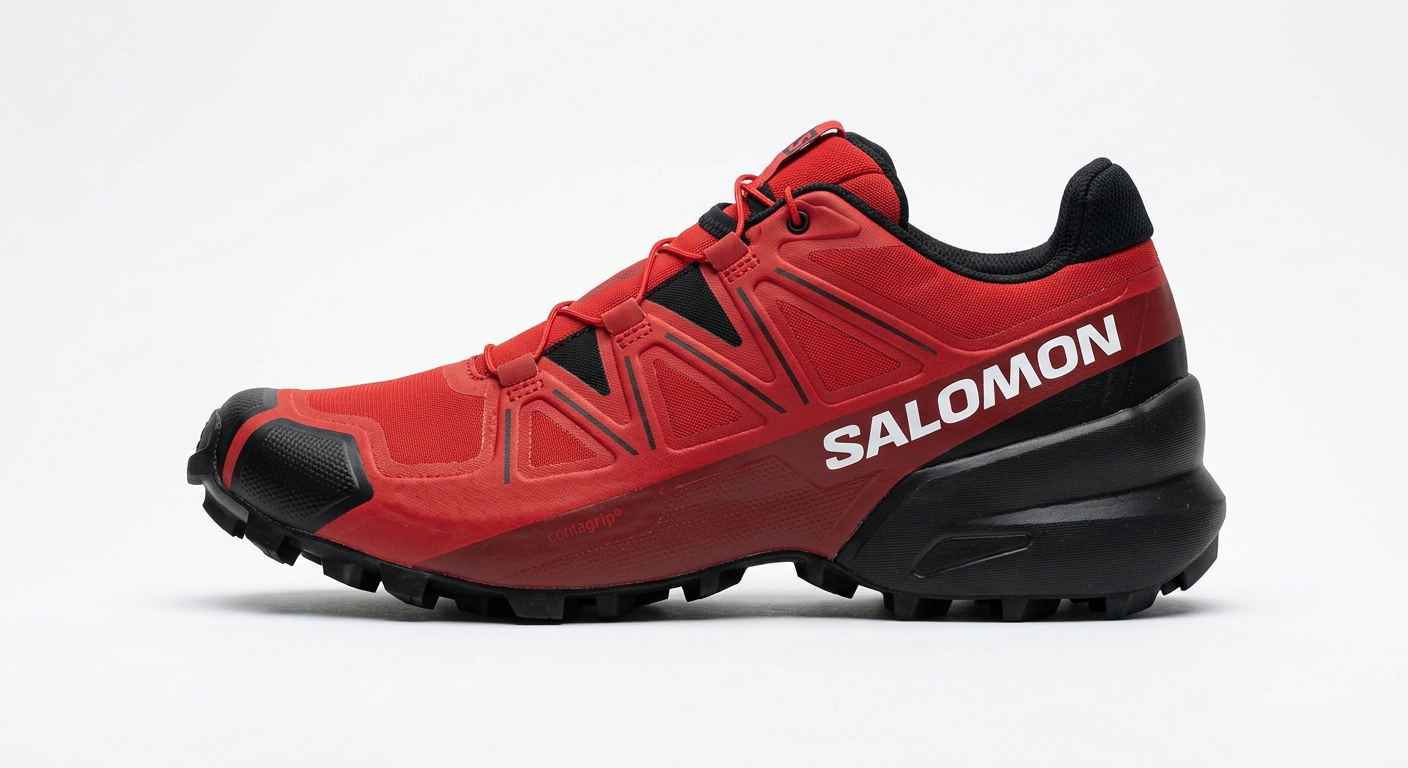
The Speedcross has been the muddy-mountain shoe for a decade and a half, and the 6 is the best version yet. Those 5mm chevron lugs look like they belong on a tractor and behave like it too — wet grass, spring mud, steep loose descents where other shoes turn into skis. The fit runs narrow and glove-like, which is exactly what you want when the trail gets sideways. On pavement it feels like wearing cleats, so this is a bad pick if half your route is road. But if your local trails are steep, soft, and rude, buy this and stop sliding.
Price: Mid-range — check retailer for current pricing | Weight: 10.4 oz | Drop: 10mm | Lugs: 5mm | Available at: Salomon, REI
Best Door-to-Trail: Merrell Nova 3
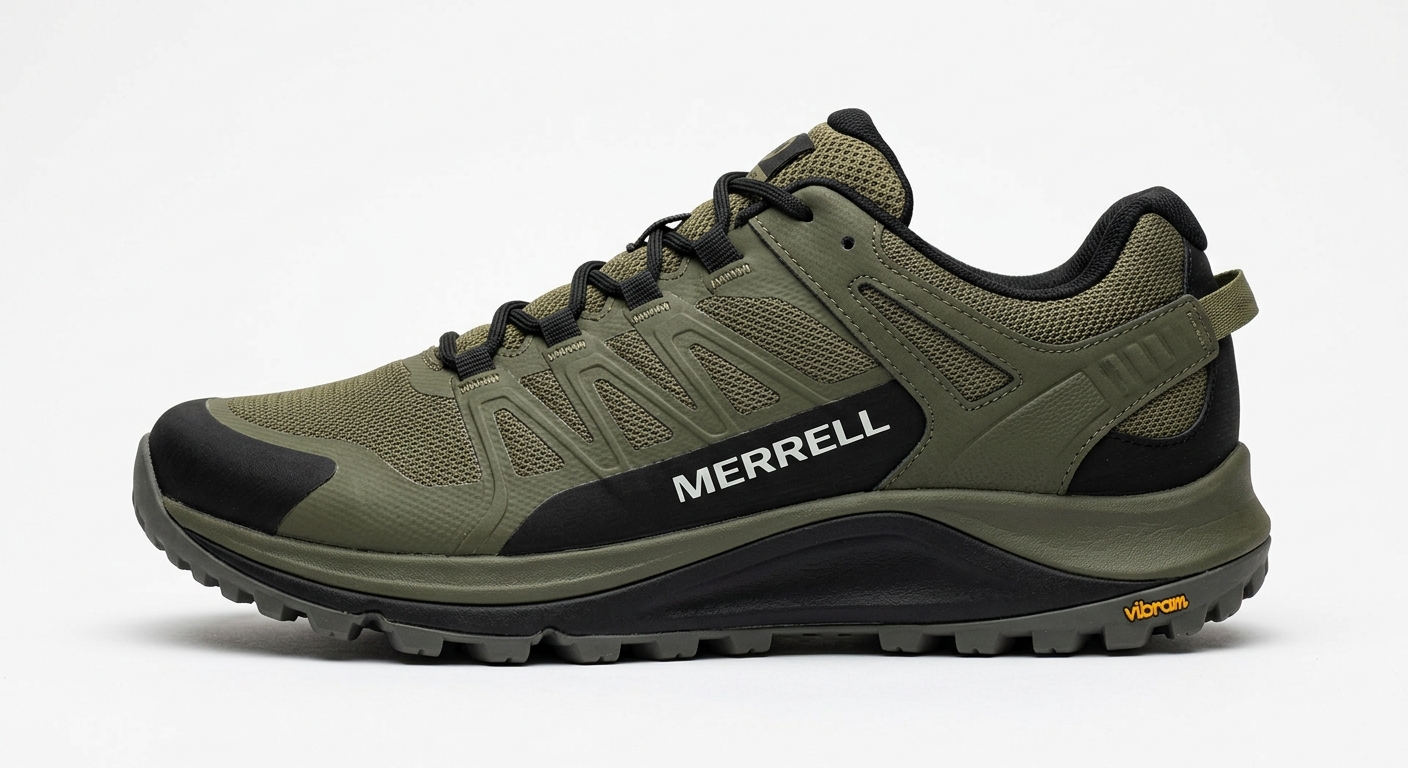
Most of us don't teleport to trailheads. There's a mile of sidewalk, then the dirt starts. The Nova 3 (the women's version is the Antora 3, and it's excellent) is built for exactly that life: enough tread to handle real trail, tame enough to feel normal on pavement, and honestly good-looking enough that you'll wear it on days with no trail at all. This is the shoe we recommend to friends who say "I mostly walk the rail trail but sometimes we do real hikes" — which, let's be honest, is most people.
Price: Budget — check retailer for current pricing | Weight: 10.6 oz | Drop: 8mm | Lugs: 4mm | Available at: Merrell, REI
Best Budget: Columbia Trailstorm
You don't need a premium budget to get off the pavement. The Trailstorm is proof: a real trail shoe with a grippy outsole, decent cushion, and a surprisingly protective toe cap, routinely on sale below its already-reasonable list price. The mesh isn't as durable as the pricier picks here and the foam goes flat a bit sooner, but if you're testing whether this whole trail thing is for you — or outfitting a kid who'll outgrow them by August — this is the smart money. EMS and Columbia both run sales on these constantly.
Price: Budget — check retailer for current pricing | Weight: 10.8 oz | Drop: 8mm | Lugs: 4mm | Available at: Columbia, EMS
Best for Hiking In: Merrell Moab Speed 2
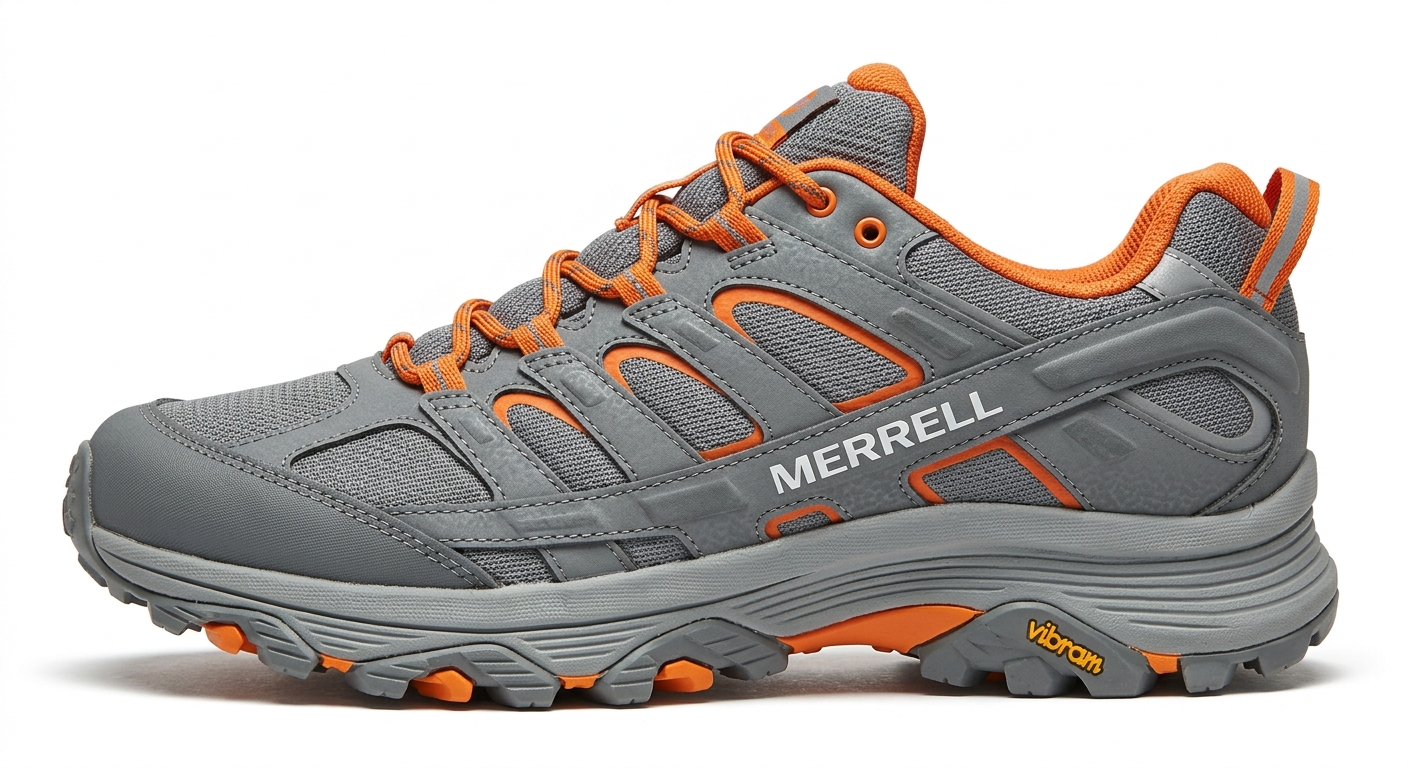
The Moab is the best-selling hiking shoe on earth, and the Moab Speed 2 is what happens when it goes on a diet and starts running. It splits the difference on purpose: a Vibram outsole and burly toe protection from the hiking side, trail-runner weight and zero break-in from the running side. This is the shoe for the hiker who's boot-curious about trail runners but wants something that still feels substantial with a daypack on. There's a GORE-TEX version too, though read our take on waterproofing below before you pay extra for it.
Price: Mid-range — check retailer for current pricing | Weight: 11.5 oz | Drop: 8mm | Lugs: 4mm | Available at: Merrell, REI, Backcountry
Boots vs Trail Runners: The Honest Version
Let's deal with the elephant at the trailhead: "But don't I need ankle support?"
For most hikers, most of the time — no. Ask a physical therapist or any long-distance hiker and you'll hear the same thing: for day hikes and light overnight loads, a tall boot collar doesn't actually stop you from rolling an ankle. What actually protects your ankles is stronger ankles, which — conveniently — you build by hiking in lighter, more flexible shoes. Add in the old military rule of thumb that a pound on your feet costs about as much energy as five on your back, and the case makes itself. That's not marketing; that's why thru-hikers, who walk more miles in a year than most of us do in ten, almost universally wear trail runners.
And the waterproofing thing cuts the opposite way from what you'd expect. Waterproof boots keep water out until they don't — one deep stream crossing and you're carrying two small aquariums for the rest of the trip. Mesh trail runners flood instantly and then drain and dry while you walk. On a three-day trip in wet country, we'll take shoes that dry in two hours over boots that stay swampy for two days, every time.
But boots still win, honestly, in a few places. Carrying 40+ pounds? The stiffness earns its keep, and your feet will thank you at mile twelve. Snow, kick-stepping, microspikes, real winter? Boots. Off-trail bushwhacking through scree and blowdown? The armor matters. And if you have a history of serious ankle instability, talk to your PT, not a blog. For everything else — which is most of what most of us do — the runners win.
Getting the Fit Right
Three rules that will save you money and toenails:
- Size up half a size from your street shoe. Your feet swell on long efforts, and on descents your toes slide forward. You want a thumb's width in front of your big toe. Black toenails are not a badge of honor; they're a sizing error.
- Prioritize the toe box. Your toes should be able to splay flat, not stack like cordwood. Merrell and Columbia run roomier; Salomon runs narrower and more locked-in. Neither is wrong — feet are just different, which is why trying them on still beats ordering blind.
- Wear real socks when you try them. A thin merino sock like a Smartwool Run Targeted Cushion changes the fit compared to the cotton tube socks you wore to the store. Cotton also causes most of the blisters people blame on shoes.
When to Replace Them
Trail runners trade durability for comfort — that's the deal. Expect 300 to 500 miles: closer to 300 for soft max-cushion foam and rocky terrain, closer to 500 for firmer shoes on mellow dirt. Your shoes won't snap in half to let you know they're done. Instead, look out for the midsole feeling flat and dead (press a thumbnail in — if it doesn't spring back, it's done), lugs worn round and smooth, or mystery aches in your knees and shins after runs that used to feel fine. Our low-tech trick: write the purchase date inside the tongue with a Sharpie. Future you, wondering why your feet hurt, will be grateful.
One Last Thing
Whichever pair calls to you, here's a nudge that costs nothing: if you shop through Epic Outdoor's retailer links — Salomon, Merrell, Columbia, REI, or any of the rest — you automatically earn entries in our gear sweepstakes. Same shoes, same price, plus a shot at winning a gear haul big enough to need its own closet. No purchase necessary — see the Official Rules for free entry details. Now go find some dirt. Your boots can watch from the door.